
Many times you’ve walked into a shop or clicked an ad and thought, how did they know? That quick real-world moment shows why this guide matters, you’ll get practical trends and steps so you can use AI with confidence – and yes there are downsides. Real-time behavioral signals beat static segments. Data privacy risks can sink campaigns overnight. Hyper-personalization will boost your conversions and customer loyalty. Want to stay ahead? Read on, learn fast, and apply what fits your team.
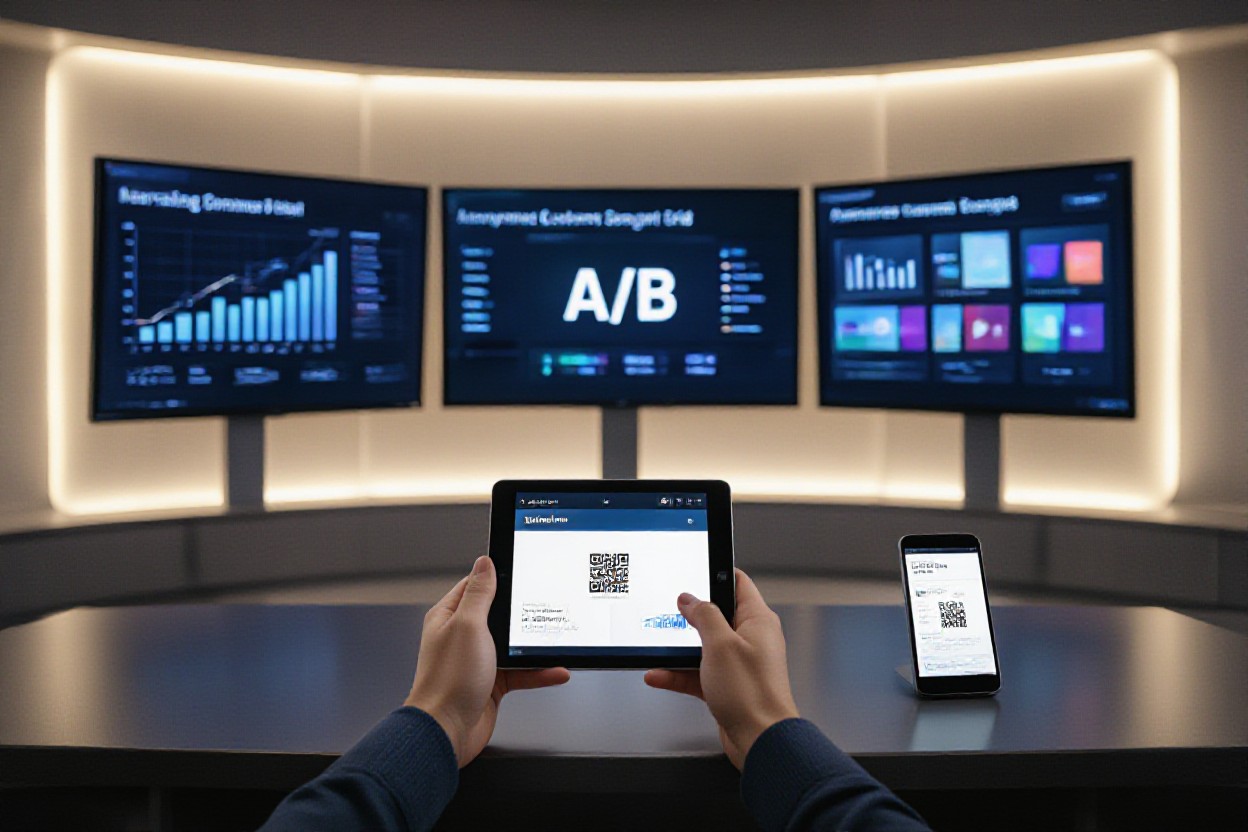
Why Hyper-Personalization? What’s the Big Deal?
Why it matters to you
Because generic outreach gets ignored, your conversion rates suffer, and you’ll miss revenue; when brands tailor messaging using real-time data you grab attention fast. Amazon now attributes roughly 35% of sales to recommendation personalization, and companies using hyper-personalization report up to a 20% lift in revenue – so you’ll scale ROI not just clicks. Want fewer wasted ad dollars? Use micro-segmentation, dynamic creative, and predictive churn signals to serve the right offer at the right moment, or keep losing customers to someone who does.

Different Types of Hyper-Personalization – Which One’s Right for You?
Choosing by scenario
You’re launching a summer re-engagement campaign targeting lapsed buyers, and you need fast wins; AI-driven product recommender widgets have delivered typical pilot lifts of 20-30%, while behavioral data-based email flows improve retention over months. If budget is tight, use rule-based micro-segmentation, and reserve real-time predictive scoring for high-value cohorts; The Most Important Digital Marketing Trends You Need to … Any approach you pick needs clear KPIs and strong privacy controls.
Types at a glance
- Rule-based – cheap, easy, good for simple promos
- Behavioral – session and click paths; boosts retention
- AI-driven – predictive scores, dynamic content
- Contextual – location/time based, low data needs
- Hybrid – combine rules + AI for scale
| Rule-based | Best for promos; 5-15% open-rate uplift in small tests |
| Behavioral | Uses clickstreams; great for cart recovery and lifecycle emails |
| AI-driven | Predictive CLV scoring; ideal for VIP segmentation and high ROI |
| Contextual | Real-time offers by location/time; low privacy overhead |
| Hybrid | Mix rules + models for 360° personalization and operational control |

Tips to Nail Hyper-Personalization – Seriously, Don’t Miss This!
Practical playbook
I once saw a boutique double repeat purchases after shifting to per-user product feeds – no unicorns, just data and testing. You can do this too: use first-party data and AI marketing to build per-user journeys; tests show a 10-20% lift in conversions when offers align with intent. Curious? Use behavioral triggers, dynamic creative, and privacy-safe IDs to scale hyper-personalization. Any change you roll out, A/B test and measure so you know what’s real.
- Feed first-party data into models daily for fresher predictions.
- Use AI marketing to power dynamic creative and time-sensitive offers.
- Track lift per cohort – aim for that 10-20% lift to validate wins.
Step-by-Step Guide to Implementing AI in Your Marketing – It’s Easier Than You Think!
Rapid rollout, one-paragraph primer
Want to roll out AI in your marketing in 30 days with under $5k? Start with one use case – email personalization or onsite recommendations, run an A/B pilot on ~10,000 users and track lift; pilots often deliver 10-20% higher CTR. But watch data privacy and model bias, those can wreck a program. Use hosted APIs or a small open-source model, log predictions, and iterate weekly.
Start small, measure fast.
Quick Implementation Steps
| Step | Action |
|---|---|
| Assess | Audit customer data – aim for 70%+ coverage of key attributes and consolidated IDs. |
| Pick one use case | Choose high-ROI focus like email or product recs; retailers often see ~15% revenue lift in pilots. |
| Pilot | Run A/B on ~10,000 users for 4-8 weeks, track CTR, conversion, RPU and statistical significance. |
| Scale & govern | Deploy winning variant, add monitoring, bias checks and privacy controls, review weekly. |
Factors That Can Make or Break Your AI Strategy – Honestly, Keep These in Mind!
Common pitfalls and levers
Many assume that tossing more data or a flashy model fixes everything. But if your data quality is poor, ~60% of pilots stall before production; teams that tighten data ops cut time-to-market ~40%. And governance lapses invite privacy headaches and fines. You should monitor model drift, A/B test personalization at scale, and tie experiments to ROI. Thou prioritize clean pipelines, rigorous monitoring and user trust – your AI strategy and hyper-personalization depend on it.
- Data quality & pipelines
- Governance & privacy
- Monitoring & model drift
- Talent & ops
Pros and Cons of Hyper-Personalization – The Real Deal About What You Need to Know!
Quick verdict
?Want more revenue without pissing off customers? You can get 10-30% conversion lifts, and firms like Amazon report ~35% of sales from recommendations. But you also face GDPR fines up to 4% of global turnover (or €20M), six-figure engineering bills, bias risks and trust erosion if you rush it.
Pros vs Cons
| Pros vs Cons of Hyper-Personalization | |
|---|---|
| Pros | Cons |
| Conversion lifts of 10-30% typical in A/B tests | Regulatory exposure – GDPR fines up to 4% of global turnover or €20M |
| Recommendation engines drive ~35% of sales for some retailers | Initial engineering and data costs often reach six figures for enterprises |
| Can reduce churn ~10-15% when content is spot-on | Model bias can alienate segments and damage brand trust |
| Average order value uplift via cross-sell ~10-20% | Real-time systems add latency, complexity and technical debt |
| Ad relevance boosts CTRs, sometimes by 30-50% | Loss of 3rd-party identifiers forces new tracking/infrastructure choices |
| Richer customer insights for product and UX teams | Data breaches are costly – average incident in millions of dollars |
| Scales campaign automation across channels | Consent management and audit trails add operational overhead |
| Speeds experimentation with ML-driven personalization | Explainability issues make audits and compliance harder |
Summing up
Conclusively, 78% of marketers reported better ROI from hyper-personalization in 2025, so you can’t ignore it if you want growth. It’s about mixing real-time data, AI-driven content and empathy, and yeah – it’ll take effort and testing, but that’s the tradeoff. Want quick wins? Start small, iterate fast, and make your customer’s context king. You’ll outpace competitors who stick to spray-and-pray tactics. Make it part of your roadmap and keep measuring – success compounds.
