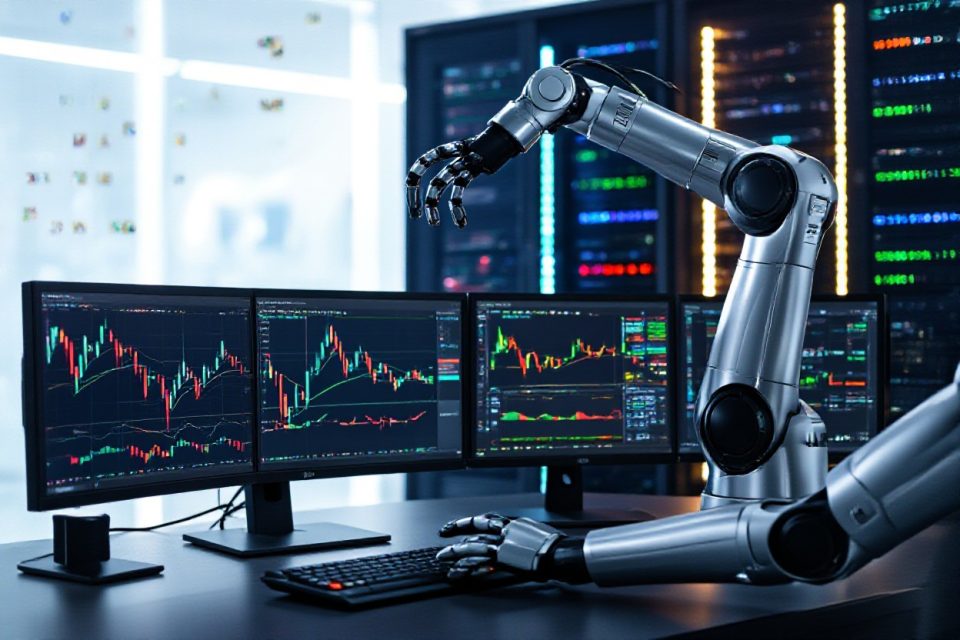
Most traders, about 68% of hedge funds now, use AI-driven bots for execution and signal generation, and while he, she, and they may welcome the improved execution and 24/7 monitoring, they also face danger: overfitting and opaque black-box models that can blow up positions fast, so they have to test, monitor and set limits – it’s messy sometimes but that’s the point. Who wouldn’t want speed and less manual grind? Adoption is reshaping markets.
So, What Are AI Bots?
Like a tireless analyst who never blinks, AI trading bots run strategies automatically, crunching data and firing orders in ways a human can’t keep up with. Whether he prefers manual charts, she trusts gut calls, or they need scale, bots match signals to action and work 24/7. They deliver faster execution and scalable edge, and they can also magnify mistakes and losses if models are flawed.
Why they matter
Compared with manual trading, AI bots can squeeze signal from noise faster and across more markets – so who’s not curious? He gets consistency, she reclaims time, and they can deploy ideas everywhere at once. They cut human bias and run nonstop, but they can create concentrated systemic risk when many bots pile into the same trades.
How they work
Rather than gut-feel calls, AI bots turn historical and live data into code-driven rules and probabilities, it’s pattern recognition meets execution systems. He frames hypotheses, she tunes hyperparameters, and they backtest and simulate until it hurts; still, backtests can fool you, right? Core parts are data, model, and execution, and overfitting or bad data is the most dangerous failure mode.
Like a car with an engine and fuel line, models need clean pipelines and regular checks. He watches live metrics, she retires stale models, and they set stop-losses and human overrides. Latency, model drift, and weak risk controls will sink a strategy, while solid feature engineering and staged live testing actually save it.
Top Picks for 2026
With the surge in multimodal models and cheap real-time on-chain feeds, the AI trading scene flipped this year, and everyone’s taking notice. He, she and they gravitate to platforms that pair multimodal models with low-latency execution, solid backtests and clear risk controls, but there’s a dark side – model overfitting still bites. Who wouldn’t want smarter signals and faster fills? It’s a wild mix, and some choices are obvious winners.
Choices that stand out
High-frequency engines, adaptive ensemble learners and strategy marketplaces jumped ahead – they’re the ones getting attention. He, she and they pick options with real-time signals, extensive simulation tools and active community code, yet beware the pitfall of hidden tail risk. Some tools are sleek, others are battle-tested and raw; which path matters depends on goals and appetite for grit.
User-friendly options
GUI-driven platforms, low-code builders and template libraries are making algo trading approachable, so novices can launch bots fast. He, she and they drag, drop, tweak parameters and deploy without sweating every line of code – and that’s great, but watch for simplified risk profiles that hide complexity and for easy onboarding that may mask limits. Want quick wins? These give them.
More on user-friendly picks: many let users backtest in a sandbox and clip ideas together, which is a real plus – sandbox testing matters, do it. He, she and they should still run small live tests, check fees and API limits, because hidden fees and locked-in templates can bite. Try it slowly, iterate – it’s not rocket science but still not a free lunch.
My Favorites: A Deep Dive
?What pushes these bots into his favorite list for 2026 and why should she care – and you too? He picks tools that blend research-grade models with rock-solid ops, she wants transparency and traceability, they need speed, so low friction matters. The winners deliver low-latency execution, modular pipelines and adaptive risk controls – but watch for black-box autopilot risk, it’s a real thing, and yeah, some platforms still hide slippage.
Features I love
?Which features actually win her over when it’s go-time with real capital? It’s the usual suspects – real-time analytics that don’t lie, ensemble models that hedge model error, and auto-risk-scaling so drawdowns don’t explode. He likes versioned backtests and open APIs, they appreciate clean data lineage, and honestly – usable UIs matter more than you think, yes they’re superficial but they save time and mistakes.
Performance stats
?How do their numbers hold up when markets get messy? She checks out-of-sample returns, max drawdown and Sharpe but also watches for latency spikes and tail losses, those bite. He favors consistency over flash – a steady out-of-sample edge beats a one-off killer month, and they always stress-test under market stress.
?What should he watch in the fine print of those glossy charts? Past beautiful equity curves can lie.
Because backtests often hide slippage, fees and survivorship bias – those are the real killers. Watch for survivorship bias and overfitting, check live-sim slippage, and demand rolling, out-of-sample metrics; if she’s seeing huge jumps in return with tiny risk, it’s time to dig deeper.
Seriously, What Should You Expect?
He walks into a dimly lit trading office at 3am, screens humming as a fresh model goes live – she nods, they swap bets over coffee, and an odd signal spikes, what now? Bots will slice orders, hunt patterns and sometimes nail it, other times they blow up positions, it’s messy and human eyes still matter. Perceiving how latency and data quality alter outcomes matters.
- AI trading
- backtesting
- latency
Market impacts
A fast AI sell sweep hits a thin market at open, spreads blow out, he grabs his phone, she yells, they stare at red fills – who flipped the switch? These systems can add liquidity and tighten books, but they also amplify flows into a flash crash – wild.
Flash events can cascade fast.
Perceiving venue, order slicing and crowding helps gauge systemic effect.
Risk factors
A strategy that crushed in backtest might fold in live markets when fees, slippage or hidden correlations bite, he shrugs, she sighs, they pause – who expected that? Overfitting, data drift and model decay are the usual suspects, and leverage makes them worse. Perceiving stress testing, limits and human oversight reduces surprises.
When connectivity blips or a vendor feed shows garbage, positions can run away in minutes, he watches, she alerts the desk, they scramble – it’s messy. Model risk, execution risk and liquidity risk are the dangerous trio, and exchange outages add spice. Perceiving clear kill-switches, conservative sizing and audits protect capital.
- overfitting
- data drift
- leverage
- execution risk
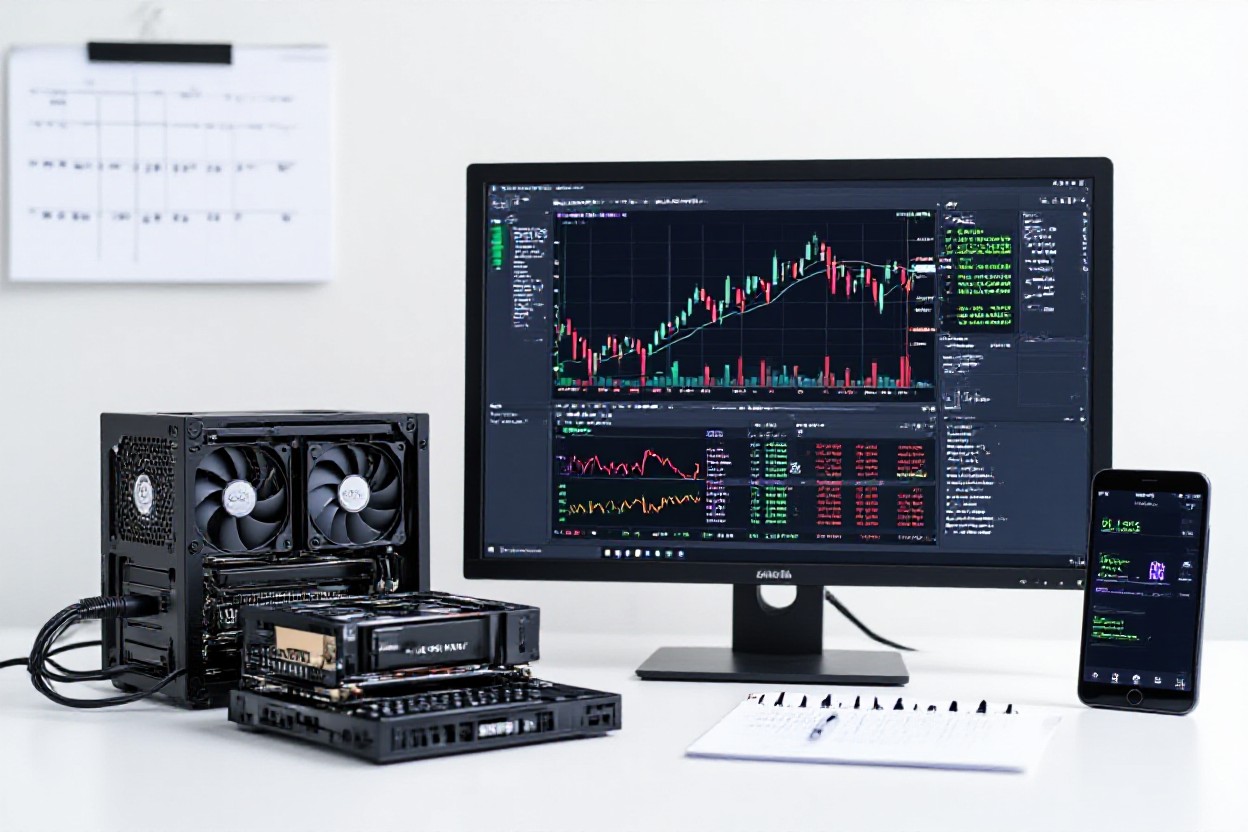
Here’s Why You Should Care
By 2024, algorithmic trading accounted for over 60% of U.S. equities volume. He, she and they see why – it’s moving markets, cutting costs and changing jobs, fast. Want in? Many will jump, some will trip. But the payoff can be real: higher execution speed and improved returns. The danger’s real too – systemic flash events and opaque models can blow up positions. So learn, test, and don’t bet the farm, yeah?
Profit potential
Many retail algotraders report backtest annualized returns between 8-25%, and he, she and they chase those numbers. Backtests can look amazing – with compounding and fancy filters – but live trading’s messy, right? Overfitting and slippage eat profits. Still, algos can scale strategies and squeeze out steady edge if tuned, risk-managed and monitored. Want the upside? Then treat models like engines, not crystal balls.
Future trends
By 2024, over half of institutional desks used machine learning in some capacity, so he, she and they are already adapting. Expect models that learn in real time, more cloud-native pipelines, and wider retail access. That brings faster alpha discovery and democratized strategy tools but also heightened regulatory scrutiny and amplified herd risk. Who wins? Those who combine solid data hygiene with disciplined risk controls – not the flashiest model.
Sub-millisecond latency is common among HFT shops, and he, she and they pushing for advantage will keep trimming delays. So expect tighter feedback loops, model ensembles that blend deep learning with rule-based guards, and more third-party signal marketplaces. That creates greater portfolio agility and new dependency risks. If he, she or they skip observability and governance they’ll wake up to nasty surprises – painful, fast and avoidable if they plan ahead.
Are They Worth Your Time?
Are AI trading bots worth the time? He, she, or they may find that bots deliver significant time-savings and faster decision cycles, but they’ll also carry model risk and require active oversight. Some will love the automation; others will curse the unexpected drawdowns, it’s a mix. For a practical jumpstart see AI Stock Trading Bot: The Complete Guide to Intelligent …, it’s a solid primer.
Time-saving advantages
Can bots really free up hours of research every week? He, she, or they will often see hours reclaimed as bots scan markets 24/7, backtest strategies fast and execute without pause, so the human gets to focus on strategy and risk. But over-reliance can bite – automation isn’t a set-and-forget miracle. Still, for busy traders it’s a game-changer and saves literal time.
Learning curve
How steep is the learning curve for a typical trader? He, she, or they might find basics quick to learn but hitting consistent profits takes time, data know-how and patience; overfitting and misconfiguration are real hazards and small mistakes can cost money. Beginners shouldn’t dive in blind – with effort the payoff can be big.
What should he, she, or they focus on first? Start simple, paper-trade and validate models, log everything; spend time on data quality and sensible risk limits. Emphasize robust backtesting, walk-forward tests and clear stop-loss rules – those cut down nasty surprises. Small, controlled bets build confidence fast.
The Real Deal About Fees
Nearly 70% of active retail algorithmic traders say fees shave more than 1% off annual returns. He, she, they see subscription charges, exchange commissions, data bills and slippage – and yeah, it adds up fast, like silently eating your edge. Want to beat that? Demand a detailed fee breakdown, test with paper trades, and pick platforms that make costs obvious; opaque billing is the most dangerous thing a strategy can face.
Hidden costs
About 40% of users discover hidden fees-data feeds, API rate limits, withdrawal or inactivity fees-within six months. He, she, they might assume a low headline rate and then get nailed by monthly data or compute surcharges, surprise spreads, or minimums. Who pays for heavy backtesting or failed migrations? Watch for subscription traps and pay-per-call APIs that quietly erode returns.
What’s reasonable
Many competitive AI trading services charge between 0.05% and 0.5% per trade or a $10-100 monthly subscription. He, she, they should expect transparent tiered pricing, clear latency and execution SLAs, and a free trial or sandbox; if a vendor hides fees or forces long contracts, that’s a red flag. Is the fee aligned with execution quality and capital size? If not, move on.
Institutional-grade access and low-latency execution often costs $500+ monthly, while hobbyist setups can be under $20. He, she, they need to match fees to strategy scale – high-frequency needs justify higher fees, swing strategies do not. Compare effective cost per trade, include data and infrastructure, and ask straight-up about extra charges; matching fees to strategy is the fastest way to protect returns.
How to Get Started
A developer once sketched a trading idea on a subway napkin and by Sunday night he had a working bot, messy logs and all – it wasn’t pretty but it taught him fast. So she treated that weekend like bootstrap school and they iterated from tiny experiments.
Start small, backtest thoroughly and expect losses while learning.
First steps
A retail trader lost a week chasing shiny indicators then she simplified to one clear rule and everything tightened up, weirdly it worked better. What should he do first? Pick a strategy, simulate it across regimes, set risk limits and keep live bets tiny – backtests aren’t gospel but they’re indispensable. Backtest thoroughly and validate with paper or low-stakes live runs.
Recommended platforms
She started on a free open-source framework, moved to a cloud VPS, then to a broker API for live fills – each move exposed new trade-offs. They weigh latency, ease of use and community support; the platform should match the edge, not force the edge to bend.
A quant team tested three vendors and found big gaps in data quality, API reliability, support response and fees, and that changed edge overnight. He checked sandbox access, logging detail, historical ticks and order types; some providers charge per tick, some hide odd fees.
Prioritize APIs, data quality and transparent fees – they’re what make or break live performance.
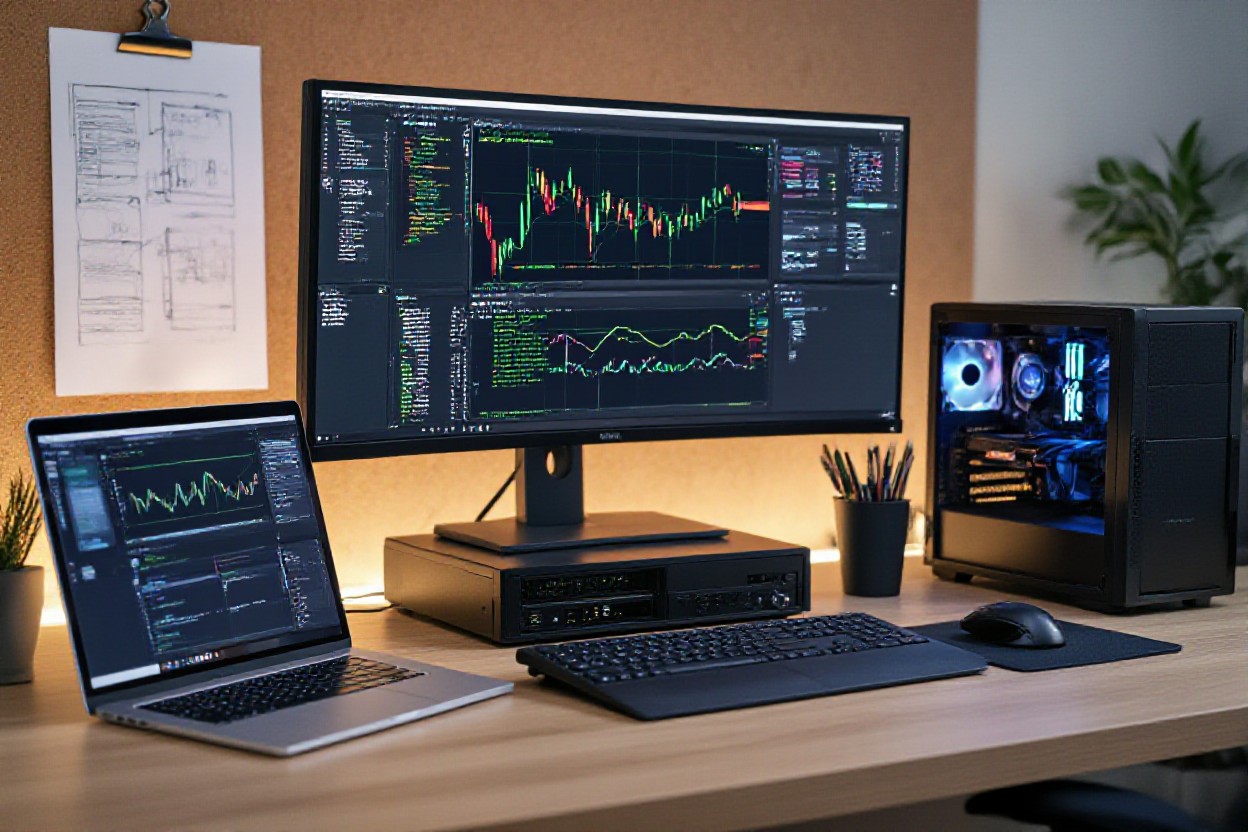
What’s the Prediction for 2026?
After the recent surge in LLM-driven signal generators and cheaper cloud compute, AI bots will get smarter and more widely used, but not without headaches – adoption accelerates, costs fall, and experiments multiply. He thinks more hedge teams will adopt ensemble models, she bets latency-aware execution will win, and they expect strategy crowding to bite sometimes. Want specifics? Check the Top 20 Trading Bot Strategies for 2026.
Most important: robust model risk controls will separate winners from losers. Danger: amplified drawdowns from correlated AI signals. Positive: faster discovery of niche alpha.
Trends to watch
Latency shaving and on-chain signal fusion are blowing up, and everyone’s trying to shave milliseconds – it’s wild. He watches risk-aware reinforcement learning, she tracks explainability stacks, and they scout alternative data combos that actually move markets. Who wins? The folks who marry execution and signal – not just prettier charts. Danger: overfitting to short-lived signal patterns.
Expert insights
Quant veterans note that interpretability often beats flashy backtests; they argue black-box wins are fragile. He points to better backtesting hygiene, she warns about subtle data leakage, and they push for continuous validation and governance. It’s boring, sure, but it works. Positive: improved model explainability increases institutional adoption.
They often recommend synthetic stress tests and adversarial scenarios – that’s where quiet failures show up. He runs edge-case sims, she backtests across regime shifts, and they flag governance as the real make-or-break.
Important: enforce model versioning, lineage and strict governance to avoid silent catastrophes.
Facing the Criticism
Many assume AI trading bots are magic that auto-win trades, but that’s a misconception, they need guardrails, and yes, he, she and they will still screw up positions without oversight. Folks point to black-box risk and the threat of systemic flash crashes, while advocates highlight speed and scalable edge capture. It’s messy, it’s human-work plus code, and sensible teams balance experimentation with strict controls.
Common concerns
Some think worries are overblown, but common concerns start with overfitting and data bias – models that memorize noise. He, she and they also fret about execution slippage, hidden fees, and poor scenario coverage. Who wants a bot that collapses in one stress event? Mitigations exist but they take time and sweat.
Addressing the naysayers
Many assume critics only see doom, but teams can answer with transparent model cards, audits and real-time limits; he, she and they can point to robust backtesting and layered risk controls as proof of progress. Short wins matter – stop-losses, circuit breakers, human-in-the-loop checks. Evidence calms some skeptics, though not all.
Another myth is that fixes are cosmetic; that’s false, implementable steps exist and they work. Independent code reviews, canary deployments, stress tests under extreme regimes, and a documented kill-switch reduce runaway-loss risk.
Kill-switches and audit trails save capital. He, she and they should insist on transparency, public post-mortems, and simulated live trials before scaling up.
My Take on Backtesting
Over 60% of strategies that look profitable in backtests underperform in live markets. He, she and they should treat backtesting like a rehearsal – it’s where you find the kinks but not where you guarantee success, it’s messy and real markets bite. Overfitting is the big danger, data quality the obvious gatekeeper and robustness the payoff if it’s done right; who wouldn’t want a model that survives unseen days, right?
Importance in trading
Roughly 70% of systematic traders rely on backtesting before going live. He, she and they use it to spot hidden edge, check drawdowns and test risk controls, and yes it weeds out dumb rules fast. Backtesting won’t save a bad idea, but it will show if it’s brittle – and that early warning can be the difference between a small mistake and a blowup. Edge discovery and risk management are the positive wins, while garbage-in data wrecks everything.
How to do it
At least 3 years of out-of-sample data is often recommended to judge persistence. He, she and they should start with clean, timestamped data, model realistic slippage and fees, and use proper walk-forward validation – don’t just optimize until it looks pretty. Run parameter sweeps, keep transaction costs honest and treat the backtest like a thesis you can fail, because sometimes it will, and that’s fine.
Including realistic transaction costs can cut simulated returns by 20-40%, so he, she and they need to stress-test assumptions. Use Monte Carlo resampling, sensitivity analysis and scenario stress tests to see how fragile the edge is; try ensembles or parameter-robust filters if single-parameter bets wobble. Monte Carlo and sensitivity analysis are the positive tools, and modeling execution slippage properly avoids the classic over-optimistic trap of overfitting.
Honestly, Is It for Everyone?
Compared to flashy ads, AI trading bots aren’t one-size-fits-all – they can be brilliant for some and a disaster for others. He, she, they might love automation, but they still need time, capital and a grip on risk. Some see quick wins and then overtrade.
The big upside is consistent execution; the big danger is hidden model failure and leverage.
So, it’s powerful, but not automatically right for everyone.
Beginners vs pros
Compared to pros, beginners press the same buttons but often don’t know why – and that trips folks up. He, she, they can get started fast with templates, but pros obsess over edge cases, backtests and risk limits. Newcomers should expect a steep learning curve and possible losses; experts squeeze value from nuance and discipline. Who’s it for? Depends on patience, curiosity and whether they’re ready to actually learn.
Personal finance
Unlike a one-off trade, bot strategies plug into broader financial goals and cash flow – alignment matters. He, she, they must weigh emergency savings, taxes and portfolio mix before automating. The positive is steady execution and fast testing; the danger is overexposure during a model failure or market flash-crash. Treat bots as tools, not a magic wand.
Compared to passive index investing, bot-driven strategies can add alpha but also amplify drawdowns, especially with leverage – so they demand active oversight. He, she, they should cap position sizes, schedule reviews and log changes.
He, she, they must never risk money needed within the next 3-5 years; treat bot returns as variable, not guaranteed.
Taxes, fees and slippage eat returns, so paper-test, run tiny live stakes, then scale if the edge holds.
Let’s Talk Customization
They once tuned a momentum bot over a weekend and it beat a year of hand trading, so customization isn’t just bells and whistles – it’s how strategies live and breathe. He or she can tweak risk sliders, they can swap signals, and they can set execution windows, all in a few clicks. And yes, that freedom brings power and peril – flexibility is great, but overfitting and hidden exposure can bite if you’re not careful.
Tailoring strategies
He swapped an RSI for a bespoke signal once and the system behaved differently – in a good way, sorta unexpectedly. So what do people actually tweak? Parameters, ensemble weights, data horizons, even reward functions – they can code custom modules or pick templates. Backtesting and walk-forward tests matter a ton, because robust backtesting finds real edges while data-snooping creates traps; modular design makes iteration fast and sane.
User control
She hit the panic button during a wild session and it stopped losses fast, so manual control matters – a lot. Users get overrides, stop-loss layers, and permission tiers, and they can switch to simulated mode in seconds. Who’s in charge? He, she, they – whoever has the keys, but good defaults and limits keep things from going off the rails. manual override and safety limits are lifesavers.
They need role-based access, audit logs, and throttles – simple stuff that saves tears later. Sim mode and dry-runs help catch dumb mistakes, and automatic circuit breakers stop runaway trades.
Clear override paths and immutable logs are the single best defenses against accidental havoc.
And yes, granular permissions make teams safer while letting active traders stay nimble.
Data Security Matters
Industry surveys often report 60-70% of algo traders say data risk keeps them up at night. He, she, and they have to treat keys and feed history like cash – lock it down, or it walks. Use layered defense, monitor access, and plan for failure, because bots fail sometimes and when they do it’s messy. Data breaches can wipe gains fast, but strong encryption and good ops shrink that risk.
Protecting your info
Around half of breaches start with stolen or reused credentials, so he, she, and they should never reuse API keys or passwords. Use 2FA, rotate keys often, enforce least privilege, and log every action – yes, even the tiny ones. Backups? Do ’em. Encrypt at rest and in transit, and sandbox new strategies first, because testing in production is asking for trouble.
Choosing safely
Surveys show many traders – roughly 4 in 10 – use third-party bots without a security checklist, and that’s risky. He, she, and they should pick vendors with audits, bug-bounty programs, clear data policies and transparent code when possible. Ask about incident history, encryption standards, and retention rules. Open-source can be great, but only if someone actually reviews it.
Independent audits often reveal nasty surprises – about 1 in 5 projects show serious issues on first look. He, she, and they ought to insist on third-party reports, runtime logs, and clear terms that say who owns and can access data.
Insist on an independent security audit.
And test in a closed env first – no excuses.
Keeping Up with Tech
At 02:07 a.m. a sudden volatility spike slams into a strategy – his bot starts shaving positions, she watches alarms blink, they scramble to check logs, it’s messy and fast. Keeping pace with tool evolution means juggling APIs, model updates and regulatory notes; some changes break things overnight. He and she lean on robust monitoring, and they use automated anomaly detection to catch rapid model drift before it eats capital.
Innovations in AI
At a weekend hackathon she wires an LLM to market ticks and watches it spit out trade ideas – wild, right? New approaches like self-supervised learning and causal discovery speed idea generation, but they can hide subtle overfitting. He and they insist on out-of-sample checks, force explainability, and treat flashy AI features like power tools – useful, but they need careful hands.
Staying updated
He wakes to an alert: an exchange changed endpoints and a strategy’s failing – she sighs, they investigate release notes. How do they stay current? By following repos, subscribing to changelogs, joining dev chats, and running quick sandbox tests; it’s a mix of passive feeds and active tinkering. Timely patches and key rotation stop small slips turning into big losses, while community signals flag promising tools fast.
Every week she schedules a lab session – they spin up testnets, simulate news shocks, run regression checks, sometimes it’s boring, sometimes it’s chaos but it pays off. He forks repos he trusts, stars interesting PRs, and lets experiments fail cheap; that way when a real event hits they’re not blind. So yeah, staying sharp is habits not miracles.
He knows that failing to patch or rotate keys will cost real capital.
Navigating Investment Goals
Standing at his laptop on opening morning, he watches a bot execute its first live trade – heart racing, coffee forgotten, and he wonders if the setup fits what he’s trying to do; is it income, growth, or short-term swings? They need clear timeframes, capital limits and a sense of how much downside each can stomach. And while automation is fantastic, overleverage can wipe accounts fast, whereas diversification and conservative sizing often deliver the most reliable wins.
Setting your goals
She sketches a target return on a napkin while arguing with a friend about taxes, and that mess of numbers suddenly becomes a plan – short, medium, long – pick one. They should set a realistic return, decide how much drawdown they’ll accept, and list constraints like liquidity or tax brackets; it’s practical, not lofty. If he chases sky-high returns, that’s a red flag, but if she sets attainable goals and tracks them, that’s a smart move.
Aligning with bots
They pick a bot and stare at its backtest charts, wondering if the shiny curve actually maps to their goals; does the bot hunt volatility or compounding steady gains? Match strategy to objective – income hunters want yield-oriented rules, growth players need trend-capture, and scalpers require low-latency setups. Black-box systems can hide dangerous leverage or curve-fit logic, while transparent, parameter-tunable bots let him adapt risk and stay in control.
He tweaks parameters late at night after a long day, testing different stop rules and timeframe settings because real markets bite back and that’s part of the fun – and the pain. Test in paper trading first.
Paper-test and stress-test every change before going live. They should also monitor live performance, watch for data-snooping traps, prefer clear docs from vendors, and keep manual kill-switches ready; small oversight prevents big losses and keeps the bot honest.
The Community Factor
Compared to trading in a vacuum, the community is like a noisy workshop vs a silent lab, it’s faster but messy and it changes everything. He, she or they get rapid bug fixes, shared scripts and faster learning, and sometimes a false sense of safety. Who wouldn’t want quick feedback? But there’s a real danger of blind consensus and herd mistakes. The top asset is peer-reviewed code and public backtests.
Joining groups
Compared to flying solo, joining groups is like swapping textbooks for a study crew – heaps of tips, mentors and raw code. He grabs snippets, she asks dumb questions and gets answers, they argue about edge-cases until something useful emerges. There’s good stuff – mentorship and code review – but watch out for signal copying without context. Test first; copy later.
Learning from others
Unlike reading docs alone, learning from others delivers war stories and hacks you won’t find in a manual, and that’s gold. He watches a veteran debug in real-time, she borrows a neat indicator, they riff on risk controls. The big payoff is practical insight. The dangerous bit? copying bad assumptions. Who would pass up that trade-off?
Like apprenticeship rather than a quick tutorial, learning from peers reveals nitty-gritty trade-offs – messy, chatty, priceless. He picks up heuristics, she learns stop-loss tweaks, they swap sanity-check scripts and backtests. Beware the shiny strategy: overoptimised past performance is everywhere and it’s dangerous. Test on holdout data.
Best practice: demand open logs, independent tests and gradual deployment.
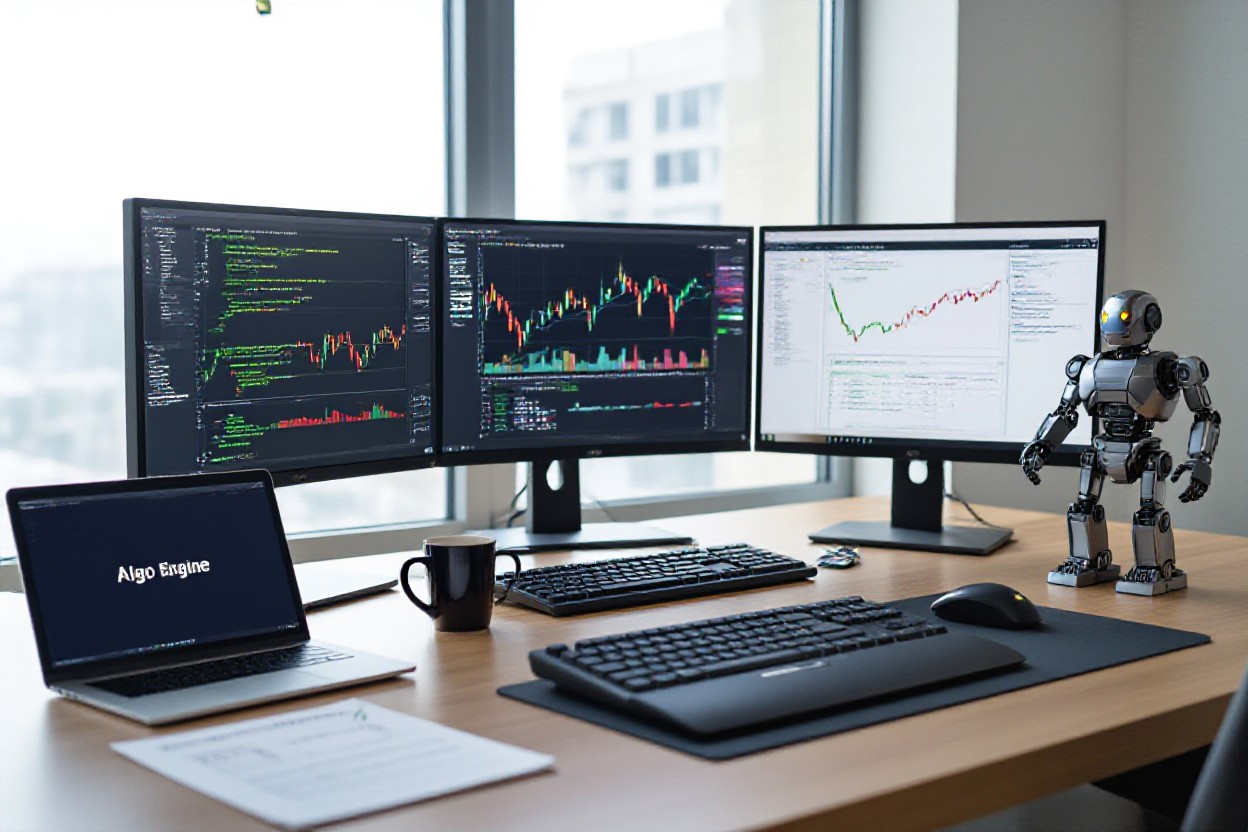
Will They Replace Humans?
This matters because he or she wants to know whether algorithmic bots will take their job, and traders ask: will they take over entirely? The short answer is no – they’ll automate routine tasks and boost throughput, but human judgment stays necessary for strategy, ethics and crisis calls. Still, overreliance can be dangerous when models fail or markets gap, so the smartest move is to adapt, learn the tools and stay in control.
Augments roles
This matters because he or she wants work to stay relevant as bots get smarter. AI augments roles by handling data-sifting, backtesting and execution so humans can focus on big-picture ideas and client relationships. It speeds things up and trims mistakes – positive: higher productivity – and it can create slack that tempts lazy checks. He, she and they who mix domain sense with ML skills will end up leading, not being sidelined.
Assist, don’t replace
This matters because he or she needs tools they can actually trust when stakes are high. Bots assist, they don’t replace – models surface signals, humans put those signals into context, and clients still want empathy and accountability. Who trusts a mystery box alone? Positive: faster signal detection. Dangerous: blind faith in model outputs. He, she and they should treat bots like copilots, not autopilots.
This matters because he or she will design the workflows that determine outcomes, so setup and governance actually change everything. Bots crunch data, flag anomalies, run scenarios fast, but humans still set goals, handle regime shifts and sort legal or ethical knots. Test, verify, and keep overrides ready.
Keep humans in the loop.
He, she and they who enforce oversight, training and clear handoffs will steer safer, better results.
Changing Regulations – Watch Out!
Like a game of whack-a-mole, rules pop up across jurisdictions – some tighten overnight, others loosen later; it keeps traders on their toes. He, she and they can profit from clearer rules, but also face swift enforcement and unexpected reporting demands. Who wants to wake up to a surprise compliance notice? It’s messy, it’s fast, and the ones who adapt win – or get burned if they don’t.
Legal landscape
Compared to 2020, regulation in 2026 is all over the map – local laws, cross-border data rules, platform-specific regs. He might need licenses, she could face data residency limits, and they’ll see more real-time surveillance and audits. Want to run algorithms? Factor in licensing, transparency and legal review – no one escapes the paperwork, so plan accordingly.
Compliance issues
Like juggling flaming torches, compliance demands both tech chops and legal savvy – models must be explainable, logs kept, and audits satisfied. He, she and they must watch for steep fines, model drift and vendor gaps. It feels like extra work – because it is – but it’s where risk hides, and sloppy ops get hit hard.
For more detail: expect mandates on audit trails, backtesting records, and limits on automated order flow; data provenance matters badly. Vendors may force changes, exchanges may block strategies, and regulators will ask why a bot did what it did. So keep clear logs, independent reviews and an incident plan – this isn’t theoretical, it’s enforcement-ready.
What’s the Future of Trading?
AI will rewrite the rulebook for traders in the next few years. He, she, they will lean on models that auto-adapt, squeeze latency and scale risk-managed bets – some will hit home runs and others will get burned. Who wins? It depends on data, governance and luck. See Best AI Trading Bots in 2026: Top Tools for Automated Trading. Big plus: 24/7 execution. Big risk: overfitting and regime shifts.
Automation in trading
Automation will do the heavy lifting. He, she, they will let bots handle order-routing, sizing and continuous rebalancing so humans can focus on edge. And bots don’t sleep – that’s a real advantage, 24/7 monitoring. But models drift and systems fail, so human oversight and kill-switches remain imperative.
Shifts in strategies
Strategies are moving from fixed rules to adaptive systems. He, she, they will favor ensembles, meta-learning and alternative data to find fleeting edges; holding periods may shorten and turnover rise. Positive: faster alpha capture. Danger: crowding and sudden correlation spikes.
Adaptive approaches demand smarter risk controls. They require scenario tests, stress sims and clear drawdown limits, because when many algos chase the same signal returns vanish and volatility pops. He, she, they should balance hunting alpha with preserving capital – simple stop rules still win.
Summing up
Conclusively, it’s the biggest shift in algorithmic trading in years – real performance, not hype, and traders should pay attention, not panic. He, she and they will benefit by blending robust data, risk controls and human oversight; some platforms are great for backtesting, others for live execution, so mix and match. Isn’t that what every smart trader wants? Pick tools that fit strategy and stick with disciplined testing.
