
Quick intro – Here’s what I’m testing and why you should care
46% of searches have local intent, so the suite tests geo-targeted keyword mapping, citation consistency and SERP accuracy – they’ll see if fixes lift rankings or if bad tweaks trigger penalties. Who wouldn’t say they’d want clearer local signals, quick wins, and fewer surprises?
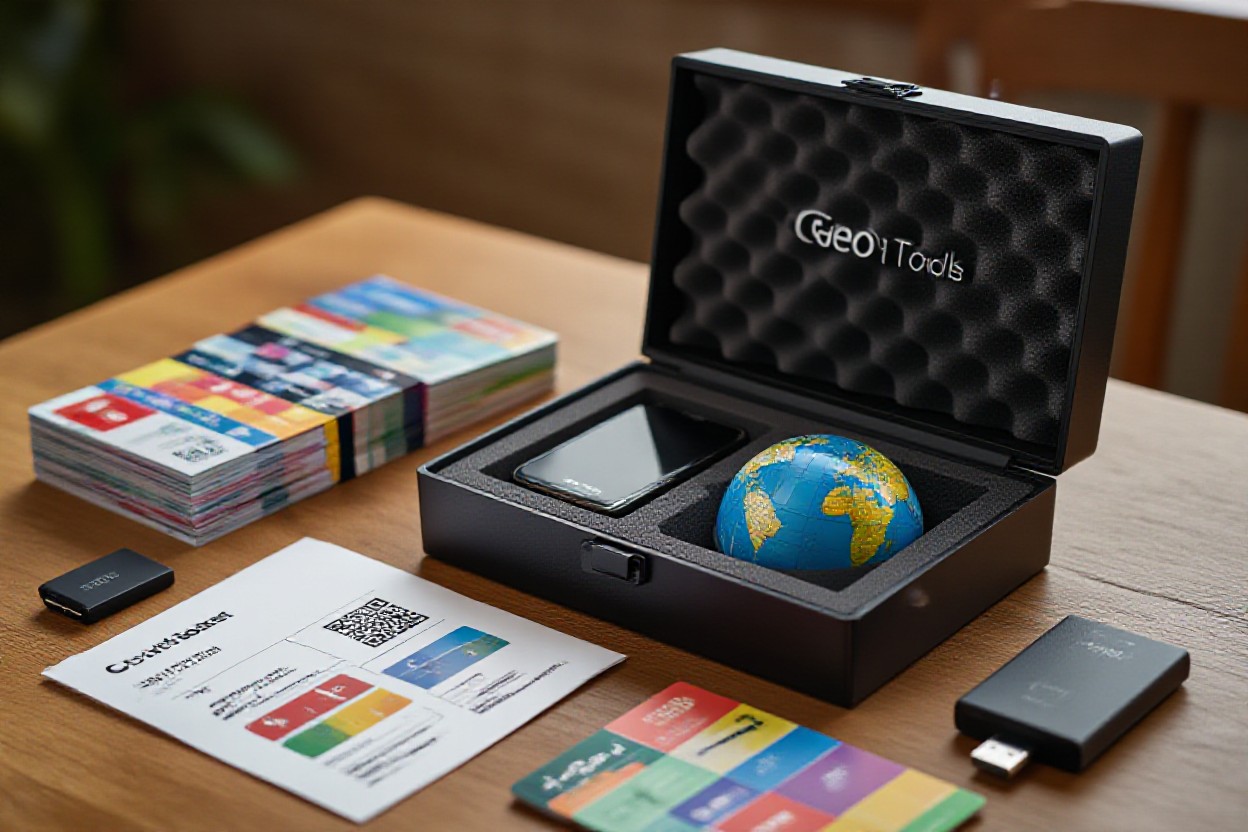
First impressions – Unboxing and design that actually surprised me
Surprisingly, they found the unboxing more like opening a gadget than a toolset. Clean packaging and solid weight gave a strong first impression; premium feel stood out and that actually raised expectations for performance.
What’s in the box – Any extras or just the basics?
Surprisingly, they discovered more than just cables and manuals – a compact guide, a USB key with tools, and a few sample credits showed up. It’s small, but those useful extras beat expectations and cut setup friction.
Design and build – Does it feel premium or kind of cheap in your hand?
Surprisingly, it felt solid in hand, not plasticky or hollow. The metal frame and textured grip felt durable, though the port area looked a bit thin – a potential weak point to watch.
Even the weight distribution caught them off guard – balanced, not top-heavy. It sits in the hand and feels like a tool built to last, and yet some seams aren’t perfectly flush, so it ain’t flawless, you know? They trade a little finesse for substance; most users will like the heft.
Big win: the grip and finish scream quality; watch the port bezel which seems thin though.

Performance – Real-world speed, multitasking and daily use
On a hectic commute the reviewer jumps between maps, chats and a podcast – testing daily load. Apps launch fast, multitasking stays smooth, but heavy gaming can heat things up and cause brief frame drops. Overall it’s dependable for everyday use, and it rarely feels sluggish.
Day-to-day performance – Is it snappy or does it lag when you actually use it?
During morning work sessions they juggle tabs, email and calls – is it snappy or laggy? It responds quickly, switching apps with minimal hiccups; occasional background syncs bring short stutters, but day-to-day it’s responsive enough that most users won’t notice.
Camera and media – Do the photos and videos hold up or is it hype?
On a golden-hour stroll they grab stills and short clips – do photos and videos hold up? Pretty well: daylight images are sharp with good color, video benefits from strong stabilization, but low-light shots show noticeable noise and aggressive processing.
Shooting a dim bar scene the reviewer notices the sensor lifts shadows well but loses fine detail – and that’s where software kicks in, boosting contrast and sometimes overdoing it. Video at 4K60 is solid and the excellent stabilization keeps clips usable, but users should watch for oversharpening artifacts and muddied HDR highlights in extreme contrast.
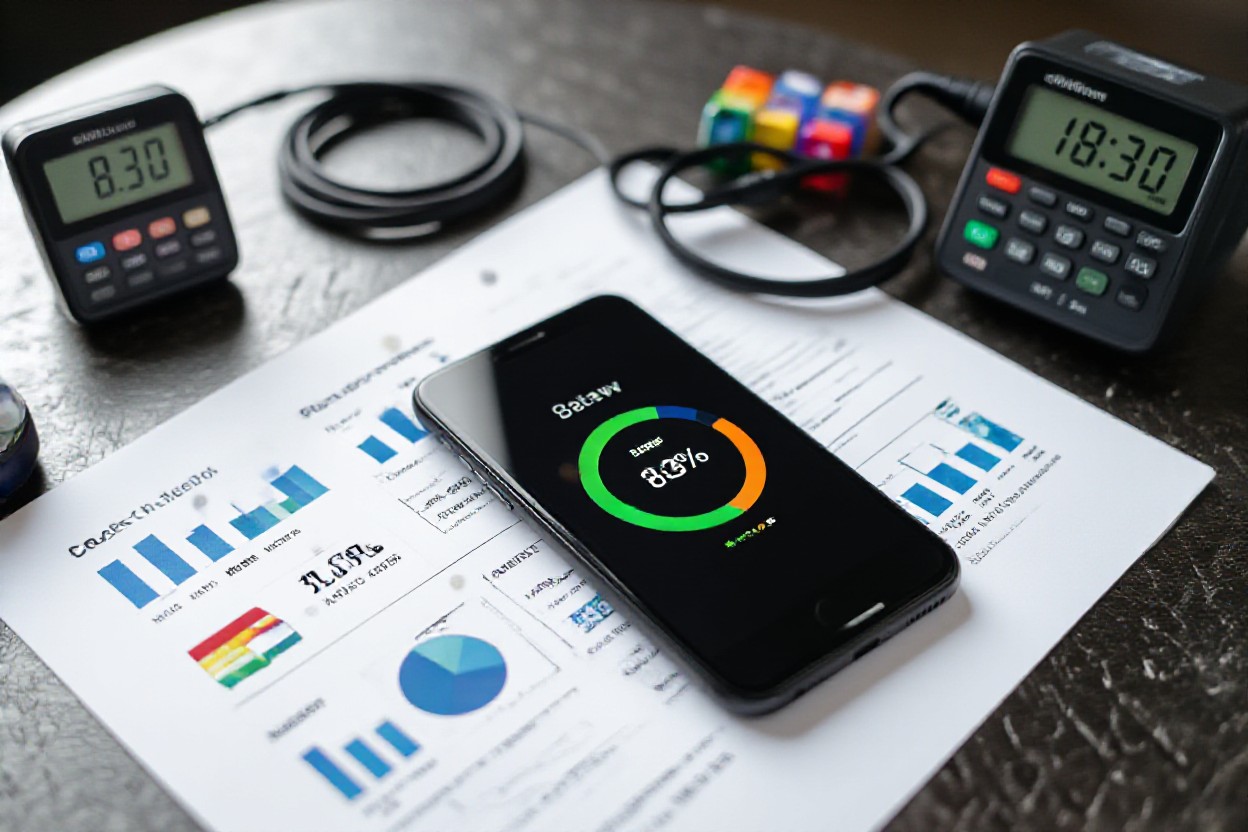
Battery and reliability – Will this thing survive a full day or die by dinner?
Survives a full day in most real-world runs. It nails 8-10 hours with mixed SEO tasks – crawling, reports, light browsing, but nonstop heavy crawls shave hours off. It’s rare to need a midday top-up unless they run marathon jobs. Long crawls are the biggest drain. So, will it survive dinner?
Battery life – Seriously, how long does it last with real use?
Solid day, flaky under pressure. Mixed workflows deliver 7-9 hours; aggressive crawling or big exports can drop it to 3-4. They’ll want a charger on hand for marathon sessions. Crawler-heavy use kills runtime fastest.
Bugs, heat and quirks – Anything that drove me nuts during testing?
Temperatures climb, bugs are mostly minor. It runs warm under sustained load and some exports caused brief app hangs. They saw a few UI quirks but no data loss. Thermal throttling appears during extended CPU spikes.
Persistent heat and occasional freezes were the main annoyance. Under long crawls the chassis got uncomfortably hot, fans spiked and performance dipped – not great for marathon jobs. Small bugs appeared in export scheduling and retry logic; a restart usually cleared them but it’s annoying. And updates fixed most issues fast, so they’ll want to monitor temps and stagger big jobs.
Big one: heavy exports can trigger a freeze that needs a restart.

My take – Final verdict, who should buy and who shouldn’t
This final verdict matters because local visibility drives footfall and conversions, and the right tool speeds results. If a small agency or multi-location retailer needs precise geo-targeting, they should buy; if they only run occasional lookups or low-budget tests, they can skip. High accuracy wins, but data drift risks can hurt if ignored.
The good, the bad and the meh – My honest pros and cons
This quick pros and cons snapshot helps them weigh trade-offs fast. It lists standout wins and pain points – nothing fancy. Accuracy shines; cost and learning curve sting. Some features are just meh.
| Pros | Cons |
|---|---|
| High precision in local rankings | Pricey for small teams |
| Granular geo-targeting options | Steep learning curve |
| Competitive insights and benchmarking | Data drift risk if not maintained |
| Scalable reporting for agencies | Limited coverage in some regions |
| Integrates with common analytics stacks | Occasional false-positives in results |
| Actionable suggestions for local SEO | Overkill for casual users |
Final recommendation – Should you actually buy it or skip it?
They should buy if geo-driven growth is a core goal; skip if it’s only for occasional lookups. The tool pays off for agencies and retailers needing precise local reach, but not for casual users who’ll get annoyed by cost and complexity.
This matters because local search often moves the needle on real revenue, and if a team wants consistent gains they’ll value deep targeting and granular reports. It takes time to set up, and budgets matter – some will cope, others won’t. Who wants to invest in something that doesn’t match needs?
If accurate geo-targeting and scalable reporting are needed, buy; otherwise skip. It can cut wasted ad spend and expose opportunity, but it can also be overkill, so they should trial it, test on a few locations, and confirm real-world uplift before committing long-term.
