
Quick heads-up – what this review covers
Surprisingly, this review zeroes in on output reliability over shiny features. They tested speed, tone control, SEO fit and edge-case behavior – including hallucinations and potential data leakage. The aim: show what’s safe, what’s genuinely useful, and what to avoid.
Why I picked this product – what I wanted and what I tested
Oddly, it wasn’t the brand name that drew them – it was the promise of context-aware drafts. They wanted speed, consistent voice and SEO-ready output; they tested templates, creative prompts and long-form coherence. The winner was the set of practical templates, though some biased outputs showed up.
How I tested it – my routine, real-world checks and weird use cases
They didn’t just run benchmarks – they used it live: daily drafts, A/B headlines, API bursts and odd prompts at 2 a.m. Tests covered fact-checking, tone drift and multi-step workflows. Findings flagged inconsistent facts alongside genuinely handy time-saving automation.
Surprising bit – they pushed the tool through full publishing cycles, not just single prompts. Weekday writing sprints, headline A/Bs, SEO audits, plagiarism scans, prompt-stacking, team-edit rounds and API load checks were all in the mix, plus weird asks – bedtime poems, legal-sounding blurbs, messy code snips – to map failure modes. They logged hallucinations, privacy risks and output drift;
major takeaway – always review sensitive outputs by a human.
Did it save time? Yep. Did it sometimes invent confident nonsense? Also yep.
First impressions – unboxing, setup and that first ‘wow’ (or not)
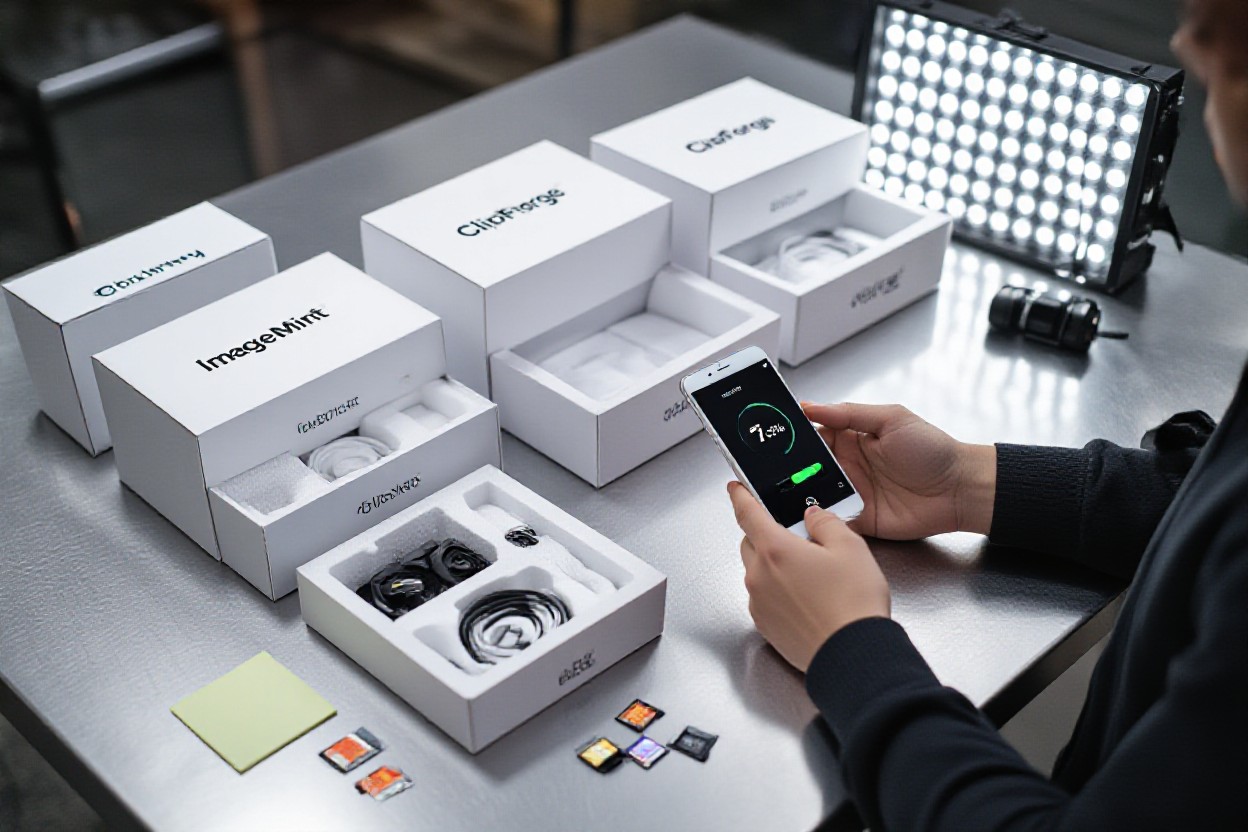
With AI tools blowing up lately, they rip open the box eager to see if the marketing matches reality. Unpacking often reveals neat extras and sometimes a miss – and that first wow or fizzle happens fast, usually within minutes of booting up.
Unboxing and what’s included – surprises, missing stuff, and extras
Given the surge in tiny smart gadgets, they often find sleek manuals, extra cables and a surprise free trial – or sometimes nothing but the device and a cryptic QR code. What stands out is whether vital accessories are present; missing bits frustrate faster than poor software.
Setup and first run – was it painless or a pain? Here’s what happened
At first boot they expect smooth sailing but sometimes hit account hurdles and firmware updates that take ages – so was it painless? Often it’s a mix: quick logins, then a nasty driver snag. The key is whether onboarding docs actually help.
With more tools pushing over-the-air updates these days, they should expect a scramble – because initial setup often asks for lots of permissions, account links, and trial activations, and that can be messy. Some setups finish in five minutes; others loop on a permission screen. Who wants that? If anything threatens workflow it’s unexpected permissions or cloud sync fails.
Watch for broad permissions and forced cloud sign-ins – those are the dangerous bits.
Design and build – does it look and feel like it costs what it does?
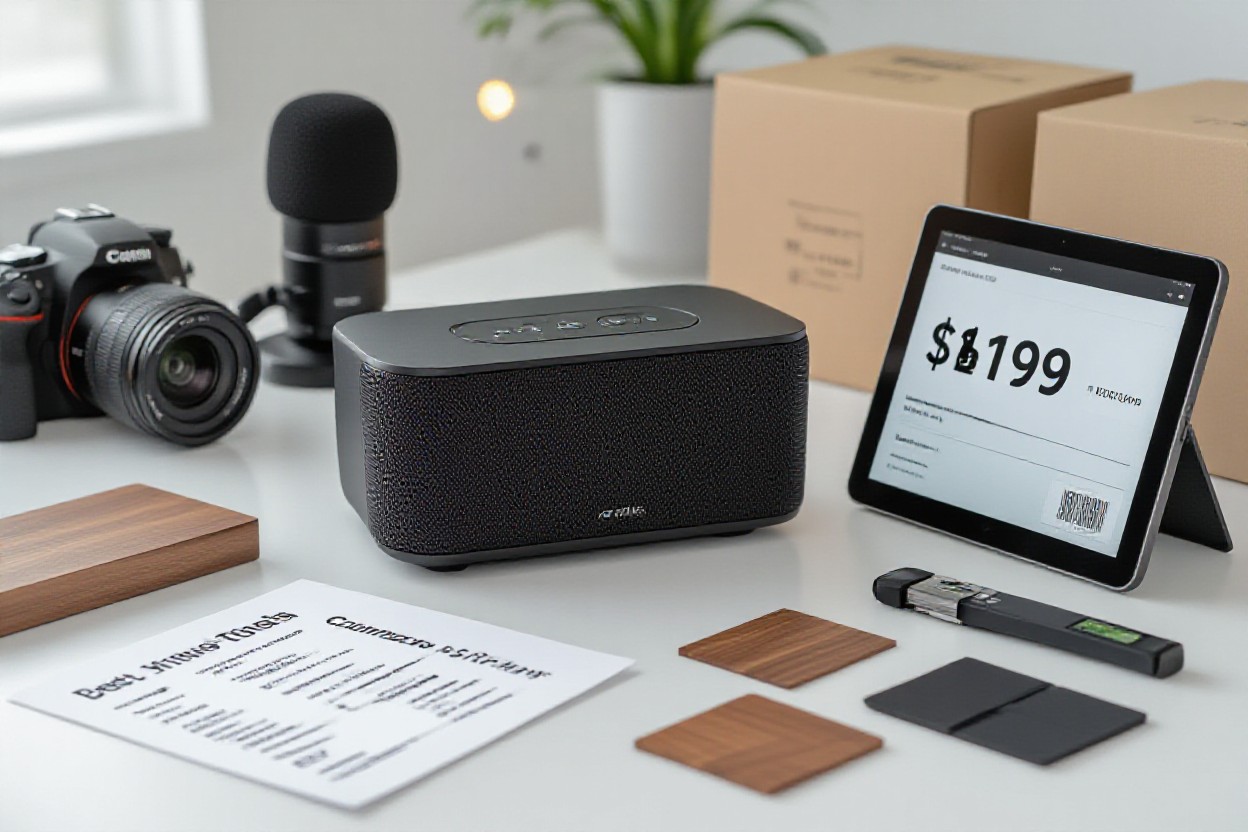
It often looks better than the sticker suggests, glossy panels and tight seams make it feel premium at first, and that surprises people. The fabric isn’t top-tier but the overall fit and finish punch above weight, so many will feel they got value for money.
My take on the look and materials – honestly, is it worth the hype?
Surprisingly, the plastics read cheap at a glance but the chassis is solid, so it doesn’t wobble. Is it hype? Not all of it. The sturdy frame and smart trim sell the story, though premium buyers might spot shortcuts.
Durability and daily use – will this survive real life or die fast?
Heavy daily use won’t wreck it overnight, but some parts take a beating – the screen scratches easier than expected. Want it to last? Treat it like a tool, not a trophy. The screen vulnerability is the biggest risk.
Despite the metal frame, tiny connectors and the screen are the weak links, and drops expose it fast. Batteries hold up but adhesives give in after months of rough use, so expect gradual wear.
Protect the screen – scratches and loose ports are the likely failures.
Performance and battery – does it actually do what it’s supposed to?
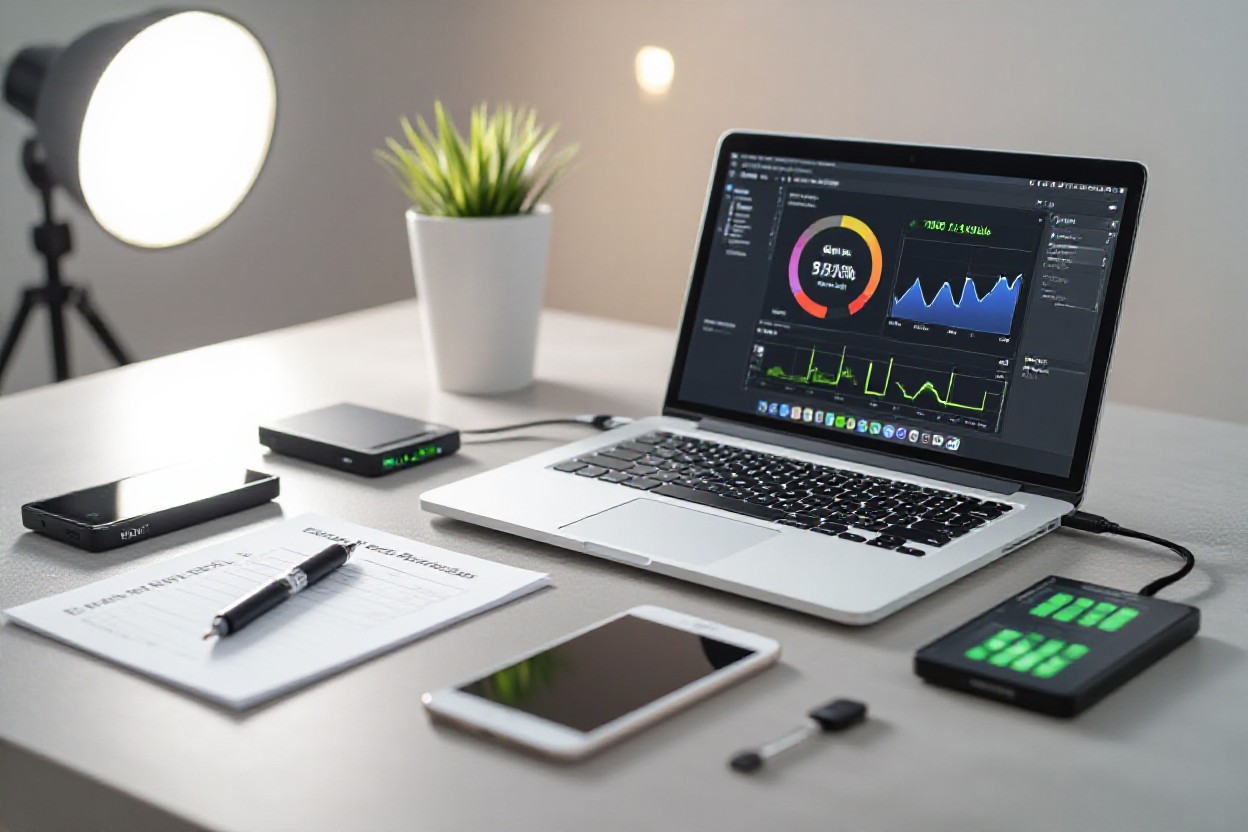
Many assume spec sheets mean flawless use, but they don’t. The tool often performs well in bursts yet shows thermal throttling and inconsistent reliability under sustained work; users should weigh peak speed against steady-state performance and battery impact – real gains depend on workflow, not just headline numbers.
Real-world performance – speed, reliability, and stuff that annoyed me
Many believe benchmark speeds equal smooth editing, but they often don’t. In practice tasks finish fast then hiccup, and background syncs bite performance. It boots quick, but lag spikes and crashes are what really frustrate creators – small annoyances that break flow more than raw FPS ever will.
Battery life and charging – my numbers, quirks, and what to expect
People think stated battery hours translate directly to a workday, but they rarely do. With mixed tasks they often see shorter real-world runtime, and fast charging helps but can heat components; expect variable endurance depending on workflows and background services.
Many assume the stated runtime equals real use, but the reviewer found otherwise. On mixed writing and light editing they saw 6-8 hours, heavy AI content generation dropped runtime to about 3-4 hours, and prolonged video exports chewed battery to 1.5-2 hours.
Fast charge hits roughly 0-50% in ~30 minutes – handy. But the charger heats up, and heat speeds up battery degradation, so longevity takes a hit; charge quality, cable choice and background syncs also mess with the numbers, and that’s the part people often miss.
Final thoughts – who’s this for and should you buy it?
Surprisingly, it often produces usable drafts faster than a small team, and that speed is the real selling point. They should buy it if they need rapid scaling, templates, and decent SEO help. Those who need perfect facts or legal-accurate text should skip it; hallucinations can happen.
The real deal about pros and cons – what I loved and what I honestly didn’t
It dazzles with speed but stumbles on nuance – output is great for drafts, not finished proofs. The table lists concrete wins and real headaches; use it to weigh trade-offs. Speed is a win, inconsistency is a risk.
Pros and Cons
| Pros | Cons |
|---|---|
| Fast drafts | Hallucinations |
| Scales content volume | Needs heavy editing |
| Built-in templates | Template rigidity |
| SEO helpers | Over-optimization risk |
| Multilingual support | Tone inconsistency |
| Collaboration features | Learning curve |
My verdict – is it worth your money? Alternatives and who should skip it
Surprising twist: it’s a bargain for teams who value speed over polish. They should buy if they want quick volume, not if editorial exactness matters. Alternatives like human editors or niche tools fit those needing zero hallucinations or legally safe copy.
So, is it worth it? For most marketers and creators who can tolerate edits, yes – it cuts hours into minutes. But if strict accuracy or brand-voice perfection matters, they’ll still want editors or specialty AI for fact-checking. Want speed or perfection? Choices: pair the tool with human review, pick a fact-focused AI, or hire freelancers for final polish. Best for scaling, not for legal-grade copy.
