
Many mornings you log into your marketing dashboard to find fragmented signals, third-party cookies dying and a campaign that just won’t scale, so you panic a bit – what now? You switch to a privacy-first playbook, double down on first-party data and smart consent flows… because ignoring privacy risks data leaks, compliance fines and losing customer trust, but it also opens up cleaner insight and real growth, right?
What’s the Big Deal About Privacy-First Strategies?
Many assume privacy-first means killing personalization and revenue, but that’s not true – you can keep performance while staying compliant. After Apple’s ATT roll-out some publishers saw ad revenue drops in the 10-40% range, which forced smarter approaches: clean rooms, first-party APIs, and cohort targeting. If you want practical playbooks, read Five Strategies For Privacy-First Data Collaboration That … – those tactics are what keep targeting intact without risky data hacks.
Why it matters for your business
Some think privacy is just red tape you’ll get past later, but ignoring it costs you trust, conversions and legal headaches. Consumers say they’ll pay more for brands that protect their data, and pilots often show 10-20% lifts in engagement when personalization is paired with clear consent. So if you want higher lifetime value and fewer churn surprises, start treating privacy as a growth lever – not an afterthought.
How privacy laws are changing the game
You might assume regulation only bites in Europe, yet GDPR, CPRA and Brazil’s LGPD are shaping global standards and enforcement is real – GDPR allows fines up to 4% of global turnover. That means your data contracts, retention policies and vendor audits matter now more than ever, and non-compliance can hit both reputation and your bottom line.
Don’t think compliance is just paperwork – it forces technical and operational changes. You’ll need consent-first UX, purpose-limited data flows, mandatory DPIAs for risky processing, and modern tooling like server-side clean rooms or differential-privacy techniques. Investing in first-party data pipelines and clean rooms not only reduces legal risk, it lets you keep precise measurement and targeting in a privacy-safe way, so your campaigns still perform when regulators come knocking.
Tips to Keep Your Data Collection Compliant
You’ve got to lock down data collection flows because GDPR fines can reach €20 million or 4% of global turnover, and sloppy consent handling bites. Use short, contextual prompts, log consent timestamps and versions, favor first-party data over risky third parties, and audit vendors quarterly. Read practical tactics in Evolved Marketing Strategies in the Age of Data Privacy. Perceiving data collection as an ongoing conversation with your audience keeps trust high.
- Minimize collected fields – ask only what’s needed
- Log consent time, version, and opt-in method
- Encrypt in transit (TLS) and at rest (AES-256)
- Vendor audits every 3 months
How to ask for consent like a pro
You want better opt-in rates and fewer audit headaches, so make consent clear and simple: use plain language, offer granular choices, and avoid pre-ticked boxes (they’re not valid under GDPR). Save a consent record with timestamp and version, surface purpose-specific options, and test placement – try a single-step prompt versus a layered notice to see what boosts clicks. And yeah, short copy wins more often, so trim the legalese and keep it human.
Tricks to secure data without losing your audience
You want security that doesn’t kill UX, right? Use TLS for transport and AES-256 for storage, hash or tokenize PII, move personalization on-device when possible, and shorten retention windows to 30-90 days for low-value logs. Server-side tagging reduces browser exposure, least-privilege roles limit leaks, and clear privacy messaging keeps people comfortable – all while you keep personalization working.
Dig deeper: run quarterly penetration tests, require SOC 2 or ISO 27001 for vendors, and automate anomaly alerts so you catch unusual exports fast. Use role-based access and just-in-time privileges, keep an immutable consent log for audits, and simulate breaches to validate your playbooks – those drills cut response time and reduce fallout when stuff goes sideways.

My Take on the Best Tools for Data Privacy
Because your marketing depends on trust, you need tools that actually stop leaks and make compliance workable. I favor consent platforms (OneTrust, Cookiebot), PII discovery/classification (BigID, Varonis, AWS Macie) and key-management/encryption (HashiCorp Vault, AWS KMS) – they each close different gaps and, when combined, cut exposure fast. Misconfigured S3 buckets have leaked millions of records, so pair discovery with strict access controls and monitoring.
What’s out there? A roundup of top tools
You’ll see three clear buckets: consent managers (OneTrust, Cookiebot), discovery/classification engines (BigID, Varonis, AWS Macie) and encryption/KMS solutions (HashiCorp Vault, AWS KMS). Add privacy-forward CDPs like RudderStack or Tealium for lineage and consent-aware data flows, plus orchestration tools to automate DSARs and audit logs. Plenty scale to millions of files, but cheap point solutions won’t cut it. Start with discovery and consent.
Can tech really help you stay compliant?
Yes, but only as part of a broader program – tech automates mapping, consent capture and DSAR workflows so you can respond faster, often moving responses from days to hours. It enforces encryption, role-based access and audit trails, yet legal interpretation and policy design still need humans. Relying solely on automation gives false comfort and gaps.
You want measurable wins, right? Automating DSARs and consent has let some teams drop turnaround from weeks to under 48 hours, which matters when regulators expect timely action. Integrate discovery with IAM, SIEM and cloud posture checks so you catch misconfigs before they become headlines. Automation reduces human error but won’t replace judgement, so pair tools with clear policies, controls and frequent audits.

Seriously, How to Create an Awesome Privacy-First Marketing Plan
Want a privacy-first marketing plan that actually moves the needle? Map your data flows, run a 12-week pilot focused on high-value segments, set KPIs like CPA, consent rate and LTV, and combine first-party signals with clean-room measurement and contextual targeting to replace risky third-party cookies; audit vendors for GDPR and CCPA alignment and prioritize privacy-by-design so you can scale without surprise fines or churn.
Steps to get you started
Which three moves will make the biggest difference right now? Start by mapping data lineage and tagging gaps in 2 weeks, then vet vendors – ask for data handling SLAs and breach history – and design a consent UX you can A/B for 12 weeks; run contextual ads plus first-party audience tests, measure CPA, retention and opt-in lift, then fold winners into a rolling quarterly roadmap.
Crafting messages that respect customer privacy
How do you write copy that feels honest and still converts? Use plain language, state what you collect and why, show the immediate benefit (faster checkout, better deals), and offer one-click controls; personalize only with permissioned first-party signals like purchase history, not secret tracking, and test because swapping creepy personalization for useful personalization often improves engagement.
Want a ready-to-use message framework? Try: “We use your purchase history and preferences you shared to recommend items you’ll actually use – this speeds service and brings better deals.” Add a one-line privacy note and a clear opt-out link, test subject lines (benefit vs privacy), track opens, clicks and opt-outs, and if opt-outs spike iterate fast. Transparency + clear benefit = better long-term trust.
Why I Think Transparency Boosts Trust
With Apple’s ATT shifting the ad game since 2021 and regulators ramping up GDPR enforcement, users are way more cautious now. When you openly show what you collect, why, and for how long, you reduce friction and get cleaner consent – which often means better targeting and fewer complaints. Be specific about third parties and retention windows; that kind of clarity turns noise into trust. Transparency leads to higher opt-in rates and fewer legal headaches.
How to communicate your privacy practices
Post-ATT, lead with a one-sentence summary so people don’t bail at the signup screen, then offer a layered policy for the curious. Use plain bullets for data uses, an easy consent dashboard where users can toggle choices, and short in-app explainers showing the benefit – like faster support or personalized deals. Test placements and wording; small changes there can move behavior. One-sentence clarity + a toggle = more control for your users.
Building a loyal audience through honesty
Subscription and direct-to-consumer trends mean you need to be upfront: list third parties, retention periods, and give clear opt-outs in plain language. Tell users how data improves their experience – quicker replies, better recommendations – and they’ll stick around. Be human in explanations, answer questions publicly, and you’ll turn wary visitors into repeat customers.
Run simple A/B tests where half your signups see privacy-first messaging and the other half see standard copy – compare 30-day retention, conversion, and complaint rates; you’ll usually spot a measurable lift. Publish a consent log or a short FAQ about real cases where data made things better – that’s concrete proof.
Respond publicly and fast to privacy questions – it calms users and reduces churn.
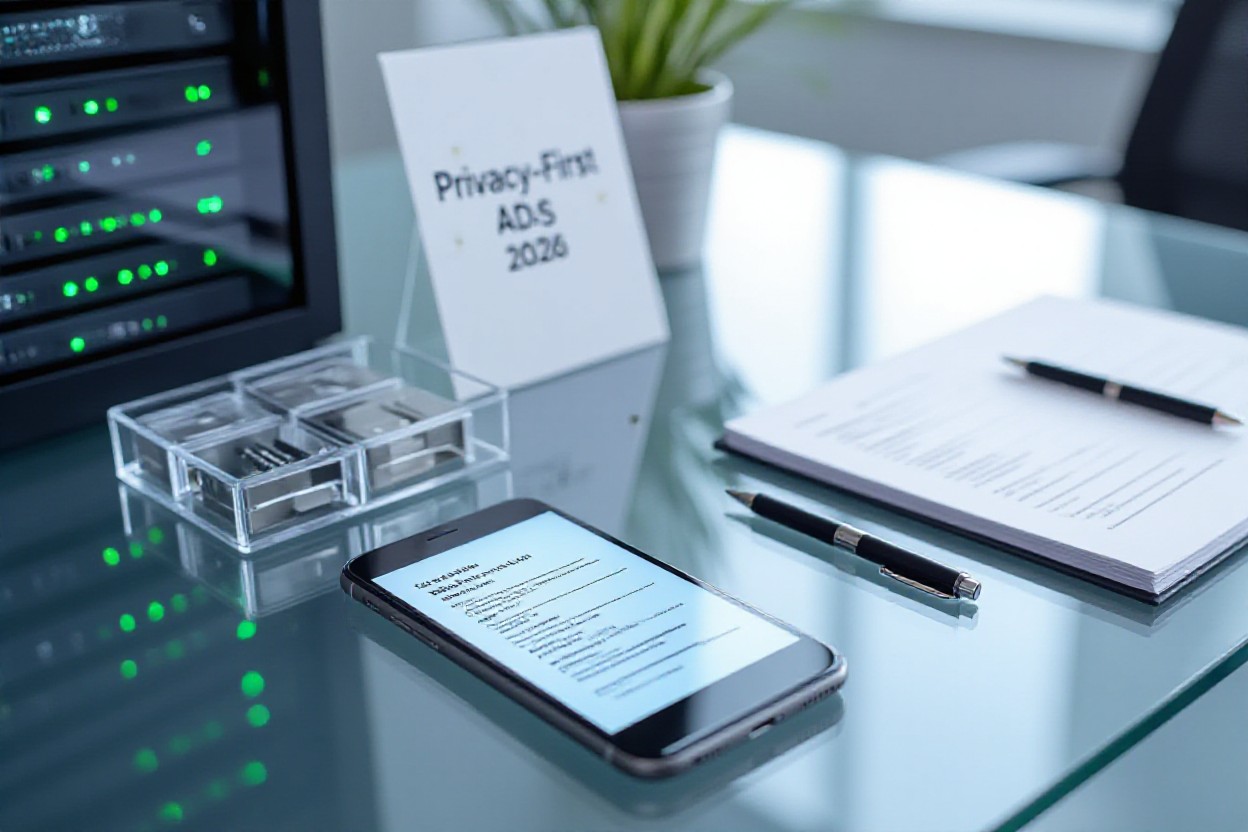
The Real Deal About Balancing Privacy and Personalization
Can you still personalize without being creepy?
You can personalize and keep trust intact.
Use consented first-party signals, session context and aggregated cohorts instead of stalking individual histories; after Apple’s ATT many teams shifted to on-site behavior and saw better A/B lifts because intent is fresher. You should favor transparent prompts and limited retention – for example use rolling windows like 7-30 days – and show an obvious benefit: 15-30% lift in many pilot tests so you get buy-in, not suspicion.
Finding that sweet spot
Privacy-first personalization is a margin game, not an either-or.
Start with safe defaults: anonymize, aggregate and act only on high-confidence signals; run experiments comparing cohort targeting to individual targeting and track lift and churn. Put tight limits on lookback windows and frequency; teams that shrank windows to 7-14 days often kept engagement while cutting data surface by about half. And be blunt with users about trade-offs – transparency sells.
Small changes drive big trust gains.
Apply cohorting (groups of hundreds), on-device scoring and noise injection for analytics so models stay useful but risk drops; you can A/B test consented segments and publish privacy-mode KPIs to boost opt-ins. Try pragmatic knobs first – a modest noise floor and a 1,000-person cohort minimum – then measure revenue per user and churn before scaling; that way you tune personalization without burning trust.

Summing up
Ultimately you find yourself juggling cookieless tracking, consent flows and creative personalization, and you wonder how to keep it all human? You lean into clean first-party data, clear opt-ins and smarter modeling – and you get better results without creepy tricks. Be curious, test fast, fail small. And ask yourself: are your customers actually better off? If you keep the trust, your marketing will follow. It’s doable, honestly.
