
Just one thing: stablecoins plus AI payments will remake how you pay and get paid by 2026. You’ll get faster, cheaper payments, intelligent routing and automation that actually save you time, but there’s a real systemic risk and privacy trade-offs – heads up, it’s not all sunshine. Want to keep your funds safe and ride the upside? So this guide shows what to watch, how to hedge, and where the big opportunities are, no fluff.
What’s the Deal with Stablecoins?
Unlike volatile crypto, stablecoins give you the speed of blockchains with price stability, so you can settle in seconds and avoid rollercoaster swings. They let you program payouts, subscriptions and micropayments, but carry reserve transparency and regulatory risk you need to watch. Want real-world examples and how rails evolve? See How payments will evolve: 6 industry trends to watch in 2026.
Types of Stablecoins You Should Know About
Compared to plain cryptocurrencies, stablecoins come in flavors tied to different trust models and failure modes, so your choice matters for custody, liquidity and risk. You’ll see fiat-backed, crypto-backed and algorithmic designs in the wild – each trades off centralization versus resilience. Perceiving these tradeoffs helps you pick the right rail for your use case.
- Fiat-collateralized – pegged to fiat reserves (example: USDC, USDT)
- Crypto-collateralized – overcollateralized with crypto (example: DAI)
- Algorithmic – market mechanisms maintain the peg
- Commodity-collateralized – backed by assets like gold
| Fiat-collateralized | High liquidity, centralized reserves, fast on/off ramps |
| Crypto-collateralized | Decentralized custody, needs overcollateralization, volatile collateral risk |
| Algorithmic | Low reserve costs, higher failure risk under stress |
| Commodity-collateralized | Tangible backing, niche use cases, slower redemption |
| Hybrid | Mix of models to balance liquidity and resilience |
Why They Matter in Payments
Compared with card rails and SWIFT, stablecoins can cut settlement from days to seconds and lower cross-border friction, which is why payments teams are testing on- and off-ramps now; you get cheaper, near-instant value transfer and programmable payouts for SaaS and gig work.
Compared to legacy rails, stablecoins let you move value 24/7 without waiting for batch clearing, and that’s not theoretical – firms already route payroll, remittances and merchant settlements through USD-pegged tokens to shave time and cost. Global remittances top over $700 billion annually, so even small fee cuts matter to users and businesses. Instant settlements also enable new UXs – micropayments, per-second billing, and automated supplier payouts – but don’t forget the flip side: regulatory scrutiny and reserve opacity can halt rails overnight. So you’ll want clear custody, audited reserves and fallback rails before you bet your revenue on any single issuer.
Instant settlement changes the game.
AI and Payments – What’s Up with That?
You care because AI is deciding who pays, who gets blocked, and how smooth your checkout feels. Big issuers like Visa and Mastercard use machine learning to flag risky transactions in real time, and firms such as Stripe Radar automate decisions to cut ops costs and user friction. So if you’re running commerce or treasury, AI’s cutting settlement latency and slashing manual reviews-fraud pressure falls, false declines drop, and conversions rise.
How AI’s Changing the Game
You see it in real-time risk scoring that checks device signals, velocity and behavior at sub-200 ms, and in behavioral biometrics that catch bots where rules can’t. Companies like Stripe Radar, Visa Advanced Authorization and Mastercard Decision Intelligence stitch signals across networks so you get fewer false declines and fewer fraud losses. And it’s not just security – AI also personalizes routing and authentication, so your checkout converts better while operational costs come down.
The Future of AI in Payment Solutions
You should expect AI to push deep into cross-border settlement, real-time AML and fee optimization using graph models that link wallets, merchants and rails. Startups and incumbents are prototyping on-chain settlements with AI arbitration, and teams are testing federated learning so your data improves models without being centralized. That means faster settlement, lower fees and sharper compliance-but new attack surfaces you’ll need to defend.
Because you manage risk and costs, note the tech moves that matter: graph neural networks expose fraud rings across rails, federated learning lets banks collaborate without sharing raw KYC, and zero-knowledge proofs can validate identity while keeping data private. Pilots already show marked reductions in manual review volume, but models can be poisoned or probed, so you must layer model governance, adversarial testing and real-time drift detection. Invest in model ops, not just models.
Tips for Getting Started with Crypto Payments
You’ll want to move on crypto payments because they can cut costs and open new markets – card fees run 1.5-3% while stablecoin rails often land under 1% for merchants, and settlement can be near-instant. Start small, test flows with $50-200, and pilot one corridor like USDC for US customers. Use both custodial and non-custodial options to compare reconciliation effort. This gives you a real-world sense of UX, cost and risk before you scale.
- stablecoin selection (USDC, USDT)
- custody vs non-custodial
- API integration and gateway choice
- compliance checks and KYC
Steps to Dive into Stablecoin Payments
You care about stablecoins because they reduce volatility and let you settle in commercial-grade dollars without bank hours, so you can pay suppliers 24/7. Pick a dominant coin like USDC or USDT, choose custody (custodial for ease, self-custody for control), integrate a gateway or SDK, run 50-100 test txns across chains, and monitor on-chain fees – Ethereum gas can spike to $5-30 but Layer-2s and Tron often cost cents. Try a one-week pilot and measure settlement times and reconciliation errors.
Essential Tips for Using AI in Your Transactions
You should care about AI because it cuts fraud and speeds reviews – firms report 20-40% lower fraud losses after targeted models, so it pays off fast. Start with rules + models, label 5k-10k historical transactions, and keep thresholds conservative while you tune. Use explainability tools so you can justify decisions to auditors. Any model you push live should have rollback paths and human review on edge cases.
- fraud detection models
- AML screening automation
- explainability and audit logs
You care because the wrong AI setup can block good customers or let bad ones slip through – that hits revenue and reputation. Run A/B tests, retrain models on a 7-30 day cadence if volume justifies it, and use ensembles: a lightweight rules engine fronting a heavier ML model works well at scale. Monitor key metrics like false positive rate under 2% and time-to-decision under 2 seconds for UX. Any production AI deployment needs a rollback plan and human-in-the-loop for anomalies.
- retraining cadence (7-30 days)
- false positive rate targets (2%)
- human-in-the-loop for edge cases
What Factors Should You Consider?
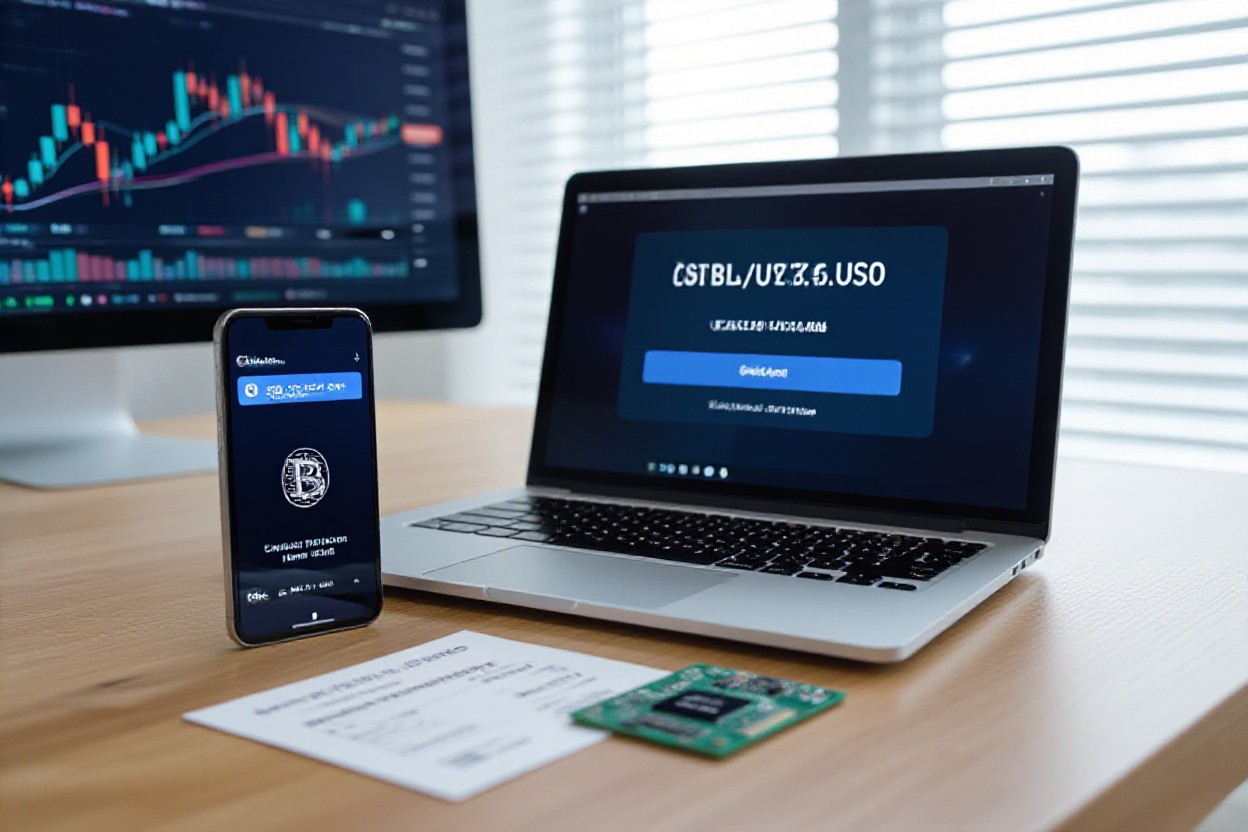
Compared to legacy rails, you need to weigh speed, cost and trust when choosing stablecoin + AI payment paths: think liquidity (on-chain depth for USDT/USDC), regulation (Circle attestations vs ongoing Tether scrutiny), integration effort (APIs, settlement finality), and privacy requirements (GDPR, KYC). Real pilots show fees often drop under 1% for cross-border flows, but operational risk rises if reserves or oracle feeds fail. Assume that
- Liquidity – on-chain volumes and exchange depth
- Regulation – issuer licenses, attestations, local rules
- Counterparty risk – reserve transparency, custodian health
- Integration – API latency, settlement finality, reconciliation
- Privacy – KYC scope, data retention, GDPR/CCPA
The Ups and Downs of Using Stablecoins
Compared to bank wires, stablecoins give you near-instant settlement and lower fees, but they also expose you to issuer and reserve risks – think Terra-LUNA collapse in 2022 and ongoing debates around Tether reserves; you get speed and cost savings yet must manage reserve transparency risk, on-chain liquidity squeezes and regulatory shifts that can freeze rails or spike compliance costs.
Key Considerations for AI Payment Systems
Unlike static rule engines, AI can flag complex fraud patterns and automate routing, but introduces model drift, explainability gaps and data-privacy pain points; you should monitor latency (sub-200ms for real-time use), audit model decisions with tools like SHAP, and ensure training data follows GDPR/PCI scopes while keeping an ops plan for adversarial tests and human-in-the-loop reviews.
Dig deeper: set model retrain cadences (weekly for high-volume flows, monthly otherwise), keep an A/B fraud reduction baseline and log feature importance snapshots; for example a remittance firm reduced chargebacks ~35% after layered ML plus behavioral KYC, and Visa/JP Morgan pilots show production ML systems cut false positives significantly – so you’ll want robust MLOps, explainability, and legal sign-off before scaling.

My Take on the Pros and Cons
Since AI-powered wallets and merchant plugins have started piloting stablecoin rails, you’re seeing real-world payments move on-chain faster than before. That momentum matters because stablecoins now represent well over $100B in circulating supply, they settle in seconds on many L2s, and they let you program payments into contracts-but there’s tradeoffs: reserve opacity, regulatory pressure, and concentration of issuer risk that you need to weigh when building or using these flows.
| Pros | Cons |
|---|---|
| Fast settlement and low fees on many L2s and cross-chain rails | Issuer or bridge failures can pause access and freeze funds |
| Price stability makes them usable for payroll, remittance, and pricing | Depegging events still happen-algorithmic models have failed (eg Terra) |
| Programmability enables automated payouts, escrow, and micropayments | Smart contract bugs can expose you to exploits and loss |
| Composability with DeFi unlocks yield and liquidity primitives | Yields often require counterparty exposure or complex risk layering |
| Transparency on-chain lets you trace flows in real time | Reserve transparency varies by issuer; attestations differ in quality |
| Global rails reduce FX friction for cross-border payments | Regulatory actions can impose KYC/AML, limiting privacy and access |
| Interoperability via bridges expands reach across chains | Bridges are frequent attack vectors and central points of failure |
| Large market caps (USDC/USDT) support deep liquidity for merchants | Concentration in a few issuers creates systemic concentration risk |
Why Stablecoins Are Worth the Hype
With AI checkout assistants and invoicing bots testing stablecoin rails, you can get near-instant settlement and predictable fiat-value receipts, which is huge for international merchants and freelancers. You’ll like the speed, low friction and composability-so payments, refunds and automated subscriptions can be coded and audited, and liquidity pools often provide deep on-chain depth so conversions don’t spike slippage.
When You Might Wanna Think Twice
If you’re trusting an issuer without clear, frequent reserve attestations or you’re using algorithmic designs, you should be wary-past failures wiped billions and left users unable to redeem. Opacity, regulatory freezes, and bridge exploits are where the danger lives, and that affects your counterparty exposure directly.
Digging deeper, ask where the reserves sit, how often they’re attested, and whether funds are in commercial paper, cash, or credit lines; those details change your risk dramatically. If you need custody for payroll or large balances, consider splitting exposure across issuers and keeping on/off ramps diversified-because when a big holder exits fast, liquidity can evaporate, fees spike, and you’ll wish you’d planned for that lane.
A Step-by-Step Guide for Newbies
By 2024, global crypto wallet users exceeded 300 million, so getting started fast matters if you want to move with the market. Start by picking a reputable exchange or noncustodial wallet, buy a stablecoin like USDC, and test small transfers before scaling up. If you want broader context and strategy, check this Fintech Trends for 2026: Stablecoins, AI, and a B2B Focus … for company-level implications.
Quick Onboarding Steps
| Step | Why it matters |
|---|---|
| Choose exchange or wallet | Good UX and KYC speed saves time – fees vary a lot |
| Buy a stablecoin | Start with USDC/USDT for liquidity and low slippage |
| Secure keys | Hardware wallets or encrypted backups protect funds |
| Test small payments | Validate routing, fees, and settlement before larger flows |
| Integrate AI tools | Fraud detection and reconciliation cut disputes and saves ops time |
Getting Your First Stablecoin
USDC and USDT account for about 85% of on-chain stablecoin volume, so you’ll find deep liquidity and low spreads with those. Pick an exchange with fiat rails, buy a tiny amount first, then move to a noncustodial wallet if you want control. Watch network fees – sometimes a cheaper chain like USDC on Solana or Polygon drops costs dramatically. And always test a micro-transfer before sending larger sums.
Setting Up AI Payment Integration
AI-powered fraud detection can reduce chargebacks by up to 40%, so you should plug in signals early – device fingerprinting, velocity checks, and on-chain behavior all help. Start with a vendor SDK or open-source model, route events to a webhook, and keep latency under 300 ms for good UX. Tune thresholds – a high anomaly score should flag, not auto-block, until you’ve validated false positives.
For more hands-on setup: use a sandbox API, map webhook payloads to your payment ledger, and log every decision so you can audit models later. Try an initial threshold like 0.8 for automated review, then adjust using A/B tests over 2-4 weeks; you’ll want metrics on false positive rate and recovery time. Don’t skimp on security – store API keys offline, enforce TLS, and keep an incident playbook ready.
To wrap up
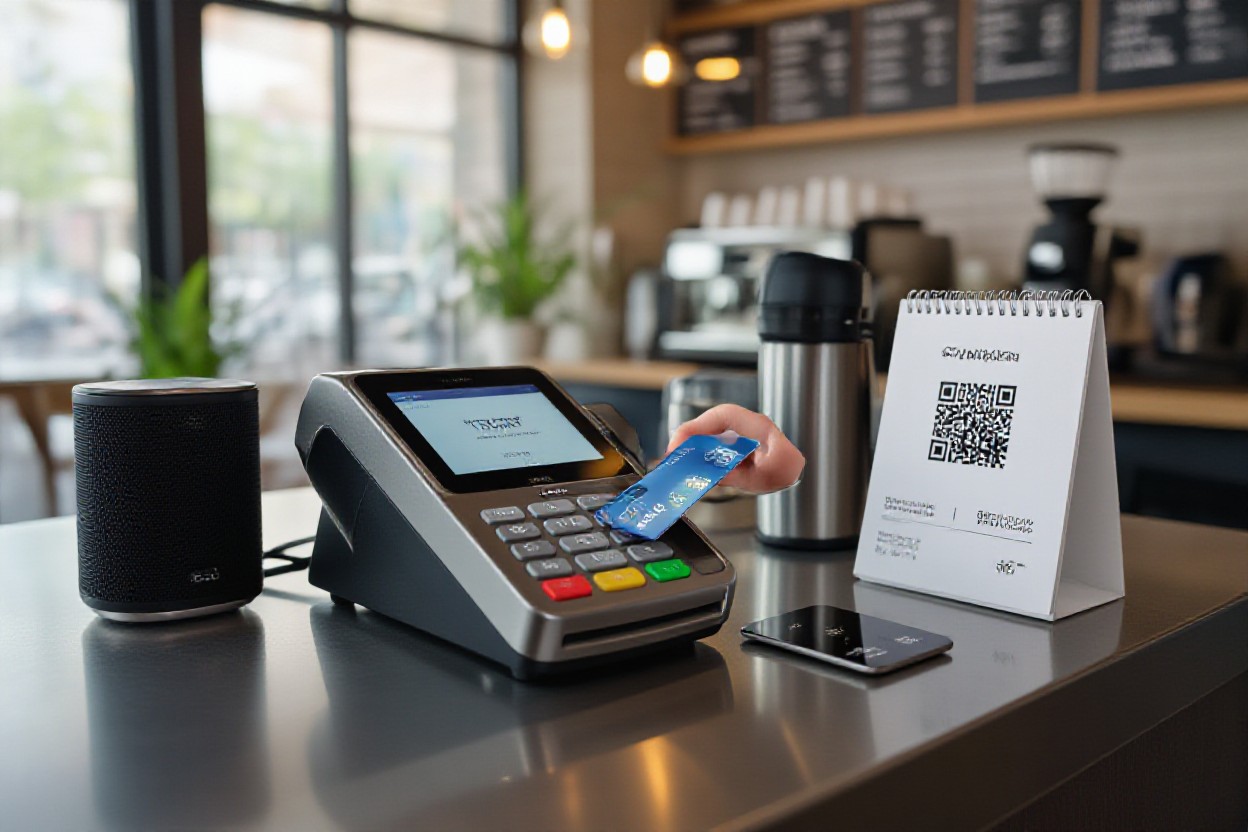
Taking this into account, imagine you’re in a cafe paying with a stablecoin via an AI wallet that auto-converts, suggests the cheapest on-chain route and handles KYC in seconds, so you don’t have to fiddle with apps or wait. It’s practical, sometimes messy, and it raises questions you want answers to – privacy, regulation, fees; are you comfortable? And you’ll want to watch interoperability and liability closely. But if you stay nimble and lean on verified tech, your payments will get faster, cheaper and more predictable.
